You want a healthy-looking lawn that makes a great first impression, but more than that, you deserve a lawn that is truly healthy. You want science-based plant health care tailored to Denver landscapes, a comprehensive approach that goes beyond traditional pest control by focusing on the overall vitality, resilience, and safety of your plants. Our care programs are designed to enhance plant health, protect your property, and ensure the well-being of your landscape and environment.
A clear understanding of plant health care is essential for effective results. Plant health care incorporates preventative treatments, proper care practices, and proactive strategies to address environmental stresses and maintain plant vitality. In Denver, unique environmental stresses such as dry winters, intense sun, low humidity, and rapid temperature swings require a comprehensive approach to plant care.
Since 1995, American Arbor Care has created a customized, science-based program for plant care to give you a gorgeous, lush landscape. Healthy trees increase in value with age, enhance property values, beautify surroundings, purify air, and save energy by providing cooling shade and protection from winter winds. Our certified arborists focus on proper care to enhance plant vitality, safety, and environmental benefits. We offer proactive care instead of reactive treatments,
Plant health care (PHC) is a holistic, proactive approach to managing the health and vitality of your landscape plants, including trees and shrubs. Unlike traditional pest management or integrated pest management (IPM), which primarily focus on controlling pests, PHC emphasizes maintaining overall plant vitality by integrating pest management as just one component within a broader, comprehensive approach. In fact, plant health care integrates integrated pest management (IPM) as one essential component within a broader, holistic strategy—prioritizing overall plant health, sustainability, and client-focused solutions rather than focusing on pest control alone.
Effective PHC programs are rooted in sound practices and typically include:
- Routine Monitoring: We regularly inspect your plants, soil, and environment to notice early signs of stress, disease, or pests.
- Preventive Treatments: Proactive steps are taken to prevent issues before they become serious.
- Accurate Diagnosis: Identifying the exact cause of any problem is essential for effective treatment.
- Timely Treatment: Immediate action is taken to restore plant health when issues are detected.
- Cultural Practices: Proper pruning, fertilizing, watering, and environmental modifications are integral to PHC, reducing plant stress and improving vitality.
Regular maintenance and inspections help us notice and correct problems before they become damaging or fatal to your trees and landscape plants. There aren’t any “one-size-fits-all” solutions. We offer customized solutions for your landscape; our team partners with you.
In the Denver area, plant health care must address environmental stresses such as heavy clay soil, high-altitude sun, and arid conditions. These factors can impact the vitality and resilience of your landscape plants, making it essential to develop a holistic PHC program that focuses on improving and maintaining plant vitality. Effective plant health care involves consistent practices to manage these challenges, including the use of native, drought-tolerant plants that reduce maintenance and water needs in Colorado’s climate. Preventative treatments are also key to maintaining the health and vitality of landscape plants in Denver, helping them resist pests and tolerate environmental stresses.
You can enjoy many benefits when you choose plant health care, such as:
- Stronger root systems
- Improved resistance to pests & disease
- Enhanced appearance & property value
- Long-term cost savings
- Reduced maintenance and water needs by using native, drought-tolerant plants
American Arbor Care offers a full range of targeted treatments designed to protect, nourish, and strengthen your trees and shrubs through a comprehensive approach to plant health care. Our services incorporate integrated pest management, mulching, fertilizing, and pruning as key practices to optimize plant vitality and landscape health. We manage roots and turf to ensure both your trees and lawn thrive together, preventing competition for nutrients and water. Proactive tree care and regular maintenance are often less expensive than treating advanced problems or removing large trees later. We’re ready to work with the plants and trees you love.
Tree & Shrub Protection (Insect & Pest Control)
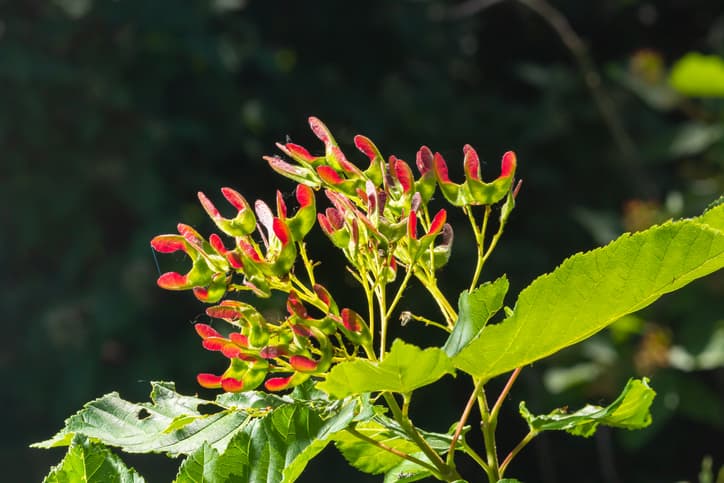
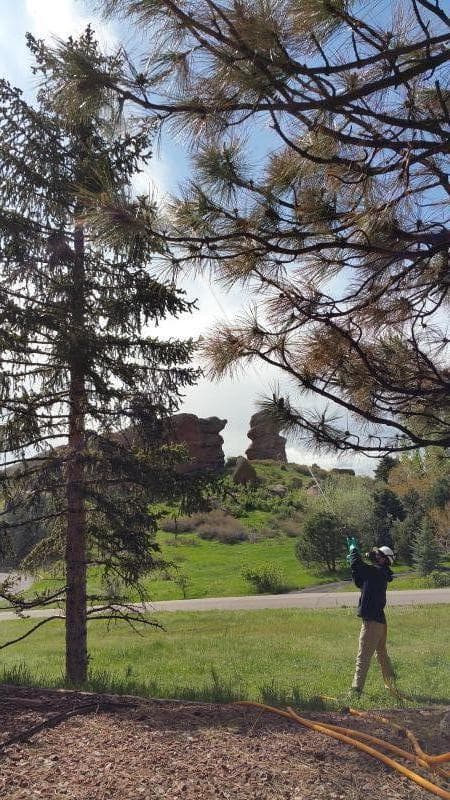
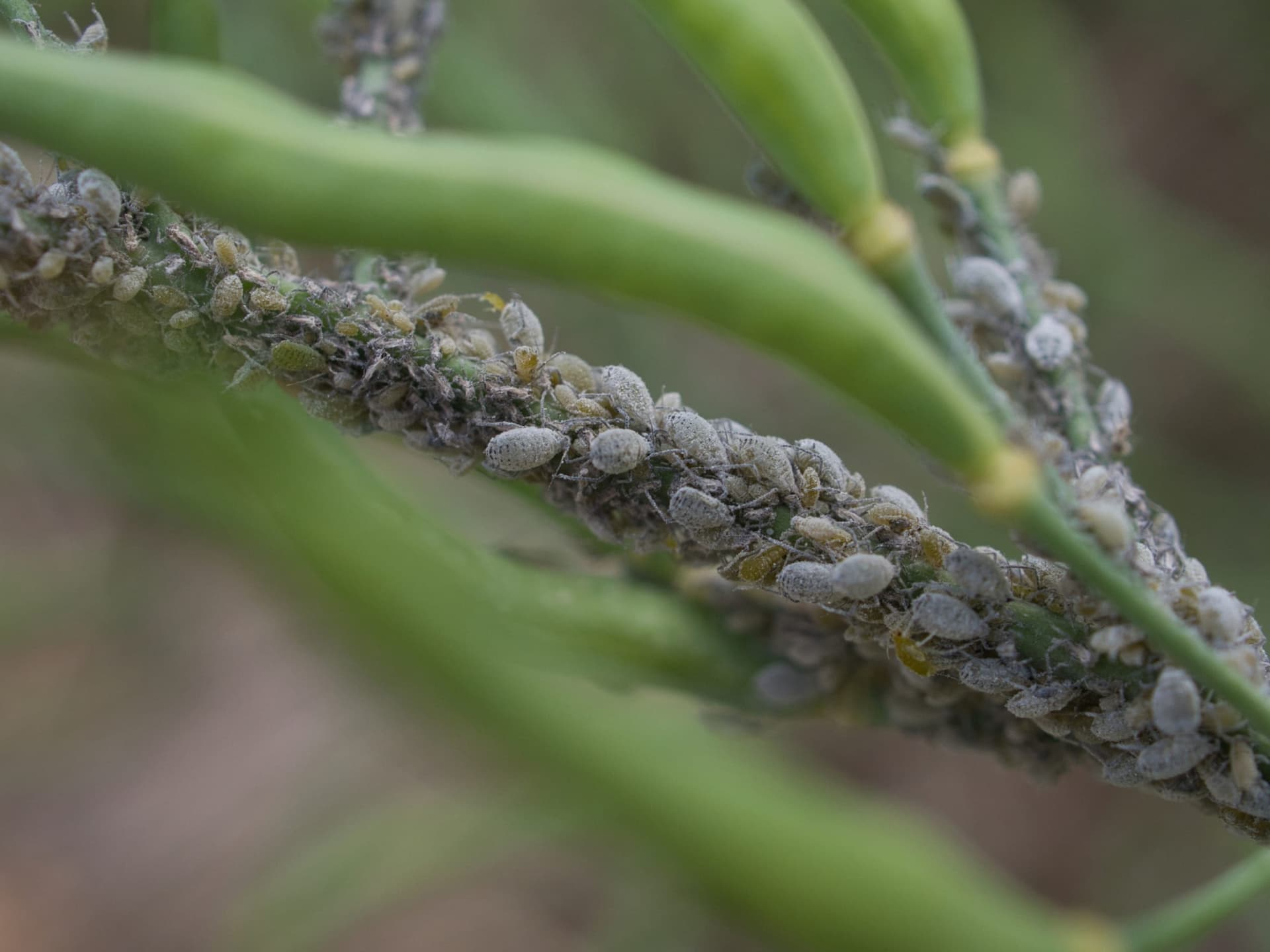
Insects and other pests can quickly kill and damage plants, flowers, and trees around your property. Effective pest management is essential to reduce the susceptibility of your trees and shrubs to pests and diseases. Regularly inspect your plants by examining leaves, bark, and stems, and notice any early signs of pest problems to ensure timely intervention. Our pest control practices prioritize safety for your landscape, property, and people, while also being environmentally responsible to protect the surrounding environment. There are some common insects you find in the Denver area. Take a closer look.
Common Insect & Pest Treatments
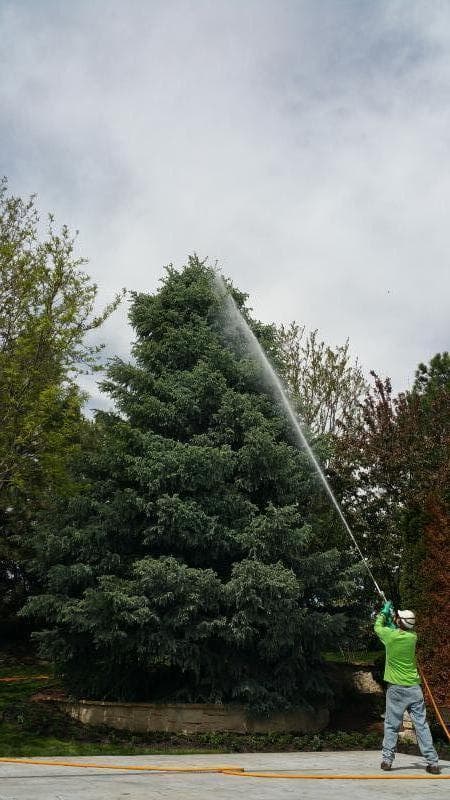
Some insects, such as bark boring beetles and scales, thrive in the local climate. As part of an integrated pest management strategy within our plant health care program, once you identify an infestation, you need to begin treatments immediately, including:
- Aphid & mite sprays
- Japanese beetle spray
- Mealy bug treatments (spray & soil injection)
- Juniper borer & scale spray
- Peach & plum borer spray
- Tree-Specific Borer & Insect Treatments
- Ash/Lilac borer spray
- Bronze birch borer spray
- Honeylocust borer soil injection
- Linden bark borer moth spray
- Kermes scale / Oak borer soil injection
- Elm Tree Pest Protection
- Elm leaf beetle, weevil & miner soil injection
- European elm scale soil injection
- Evergreen & Conifer Protection
- IPS beetle spray (spruce, pine, Douglas fir)
- IPS beetle trunk injection (longer-lasting & eco-friendly)
Pesticides are used only when necessary and always in accordance with best practices for safety and environmental protection, reflecting homeowner preferences for minimal pesticide use while ensuring effective pest and disease management.
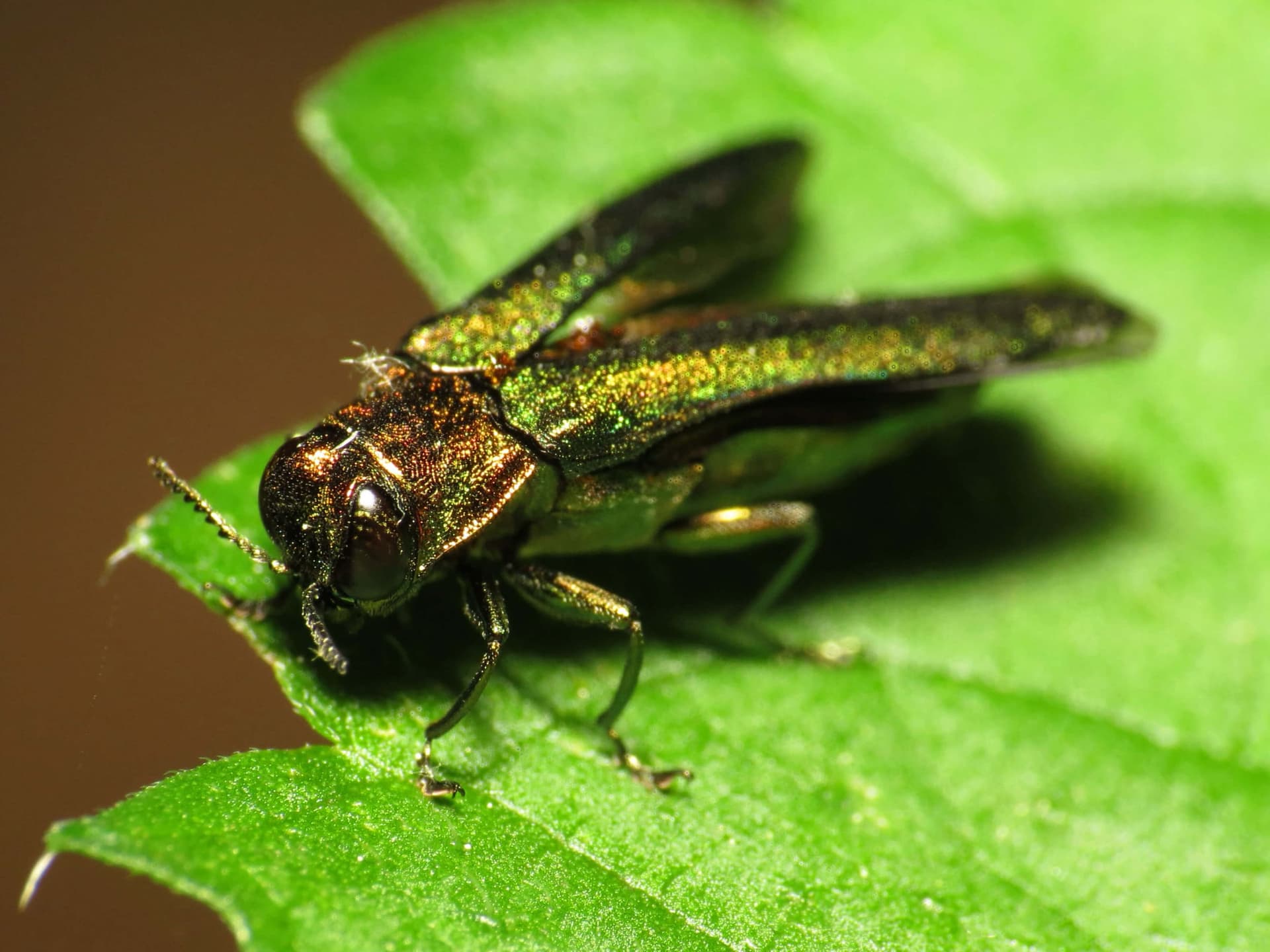
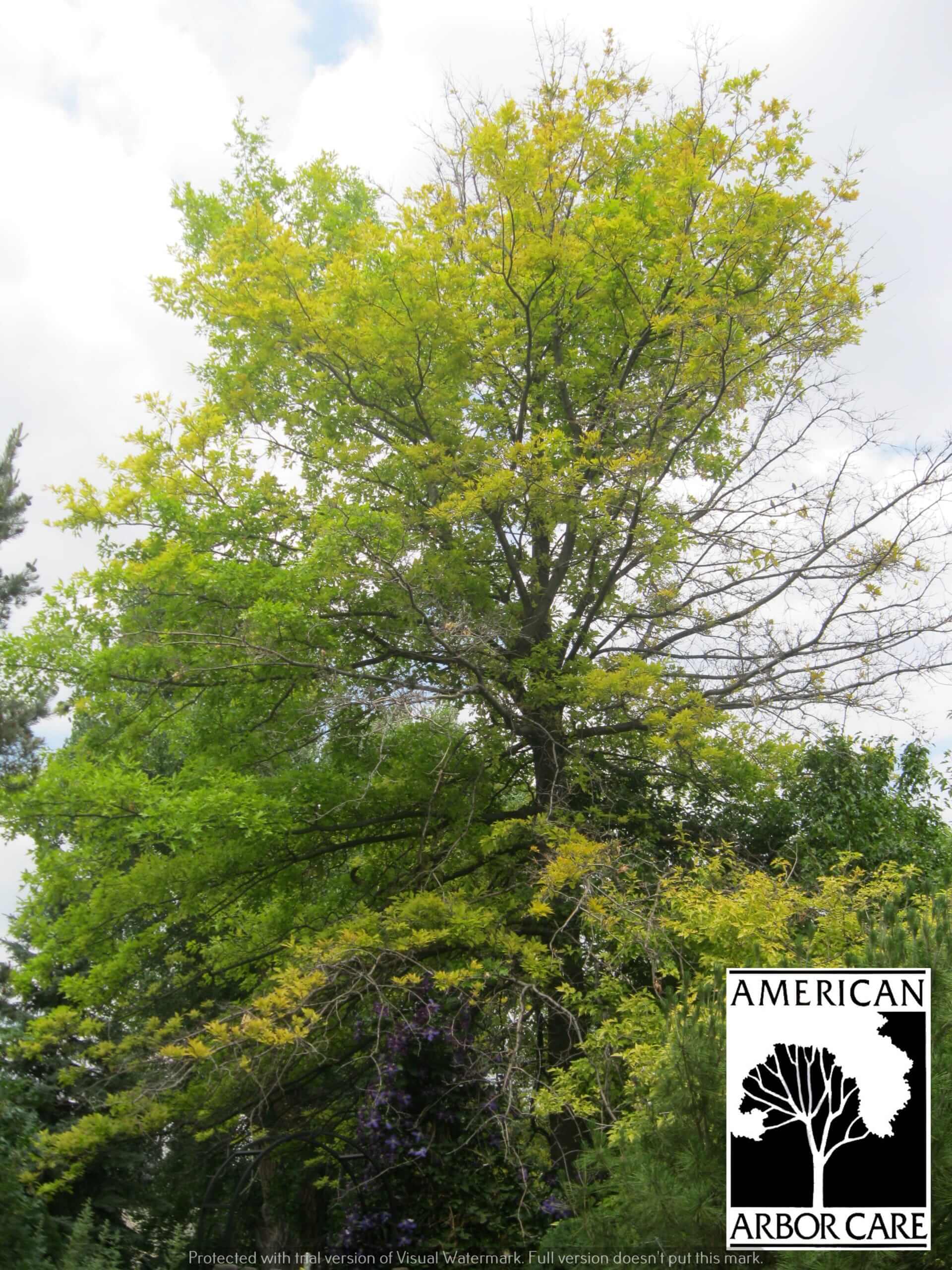
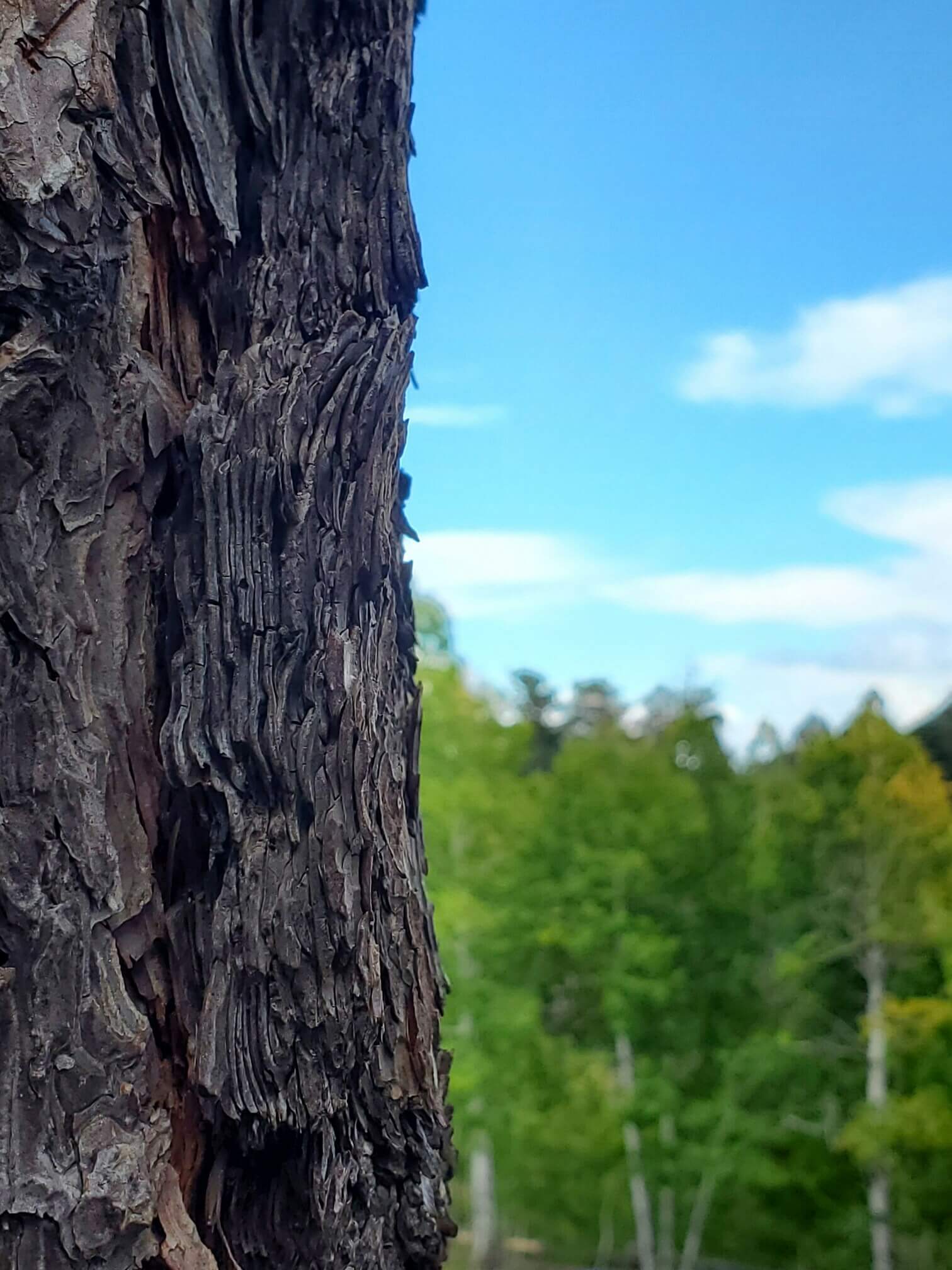
The Emerald Ash Borer is a jewel beetle originally from Southeast Asia. This invasive beetle was confirmed in the Denver area in 2025. It’s a highly destructive pest that kills trees in 2–5 years. It’s important to notice early signs of Emerald Ash Borer infestation and regularly inspect your trees for symptoms such as thinning canopy, D-shaped exit holes, or bark splitting. Early detection allows for timely intervention.
Preventative treatments and safe application methods are critical for effective EAB management and overall plant health care. If you have an ash tree, it is highly recommended to preventatively treat.
Treatment options are:
- Soil injection (trees under 8” diameter)
- Trunk injection (trees over 8” diameter)
- Don’t wait for symptoms to appear. By the time EAB damage is visible, the infestation is already advanced. Proactive, preventative treatment is the most effective way to protect your ash trees and avoid costly removal down the road.
Plant diseases can arise from various causes and can affect your landscape in different ways. Understanding disease risks and implementing proper cultural practices—such as pruning, fertilizing, and correct watering—are essential for effective disease management and overall plant health care. An arborist will inspect your trees and soil, closely examining leaves, bark, and trunk for early signs of disease or pests. Noticing abnormalities early allows for timely intervention and helps prevent further damage.
Plant diseases in Denver can arise from a variety of causes, from fungal infections to environmental stress. Understanding disease risks and implementing proper cultural practices such as pruning, fertilizing, and correct watering are essential for effective disease management and overall plant health care. An arborist will inspect your trees and soil, closely examining leaves, bark, and trunk for early signs of disease or pests. Noticing abnormalities early allows for timely intervention and helps prevent further damage.
Common diseases affecting Colorado landscapes include leaf scorch, cankers, and anthracnose. These conditions are often triggered or worsened by environmental stresses such as drought, compacted soil, and temperature extremes, all of which are common in the Denver area. The good news is that proper pruning, consistent watering, and regular fertilization are the most effective ways to manage and prevent these diseases. Early detection through routine inspections is key to minimizing damage and preserving the health of your landscape.
Dutch Elm Disease (DED) is a notable example of a serious tree disease to be aware of in Colorado. Caused by a fungus spread by elm bark beetles, DED was first documented in Colorado in 1948. Through aggressive management that included preventative trunk injections and prompt removal of affected trees, the disease was effectively suppressed and had not been detected in the state since 2011, until a small number of cases resurfaced in 2023. Those trees were quickly identified and removed, and no new cases have emerged since. Because there is no cure once a tree is infected, we strongly recommend preventative trunk injections for elm owners who want to protect their trees. Removal remains the only option for infected trees, making early, proactive protection essential.
Our general disease management approach is easy to understand and includes:
- Monitoring
- Early detection
- Preventative treatments
- Cultural recommendations
Soil & Root Health Treatments
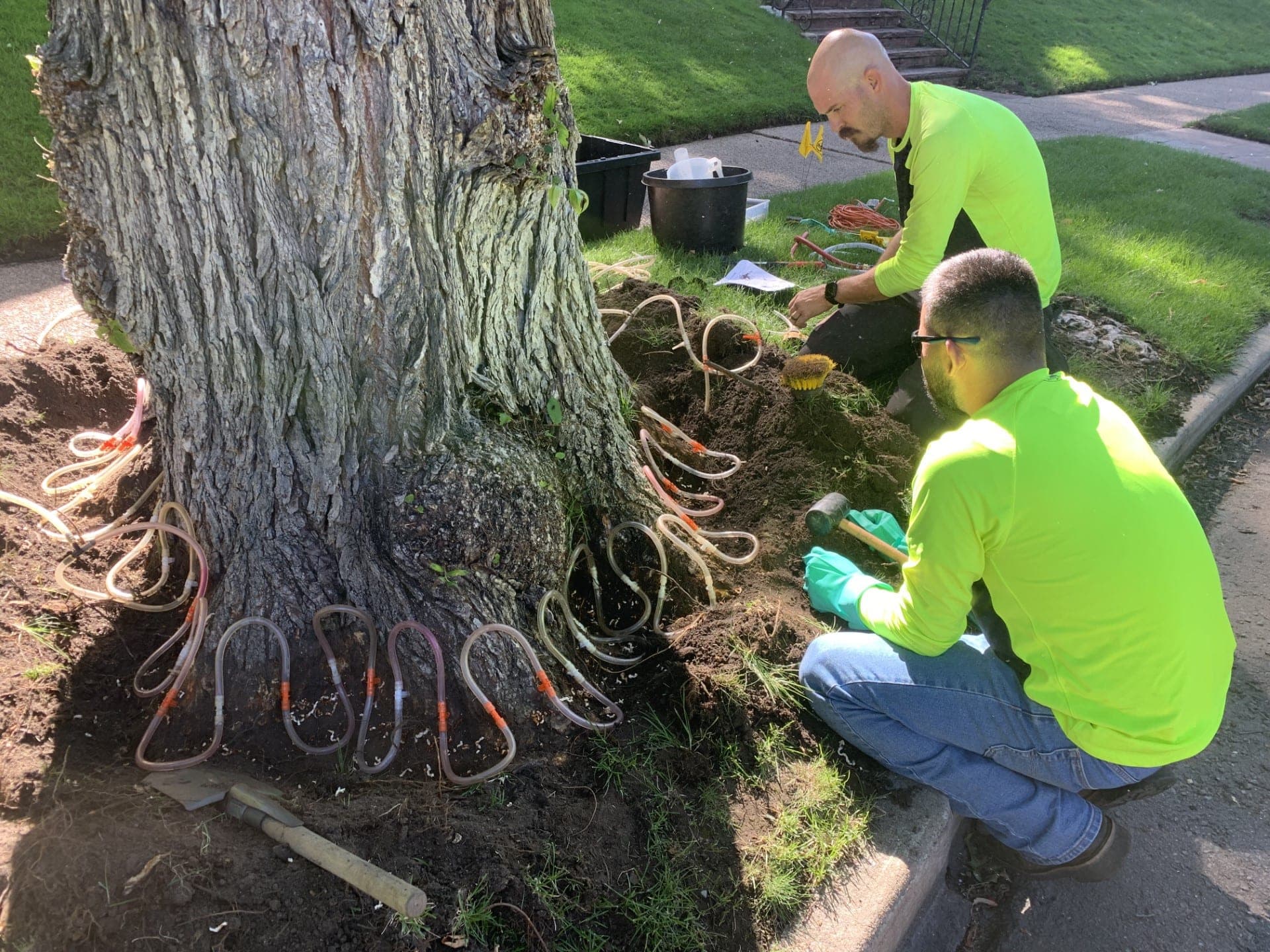
We strive to provide you with the soil and root health treatments that you’ll benefit the most from. We highly recommend annual aeration to allow oxygen and water to reach the roots of compacted clay soil, and when combined with overseeding, it delivers outstanding results for both turf and root health. Amending heavy clay soils with organic compost improves drainage, aeration, and nutrient availability for optimal plant health care. Our services include deep root watering, which is essential in the Colorado climate, and drip irrigation systems that deliver water directly to the root zone, minimizing evaporation and loss. Soaking roots every 3 to 4 weeks helps prevent fatal winter root desiccation in vulnerable plants. Growth regulator soil treatment improves drought resistance, reduces excessive growth, and enhances root density. We also recommend applying 2–4 inches of organic mulch to reduce evaporation and keep soil cool, but always keep mulch 6 inches away from tree and shrub trunks to prevent rot and bark disease.
Fertilization & Nutrient Management
One of the best ways to maintain your greenery is through proper plant health care, which includes essential cultural practices such as fertilizing. Fertilizing is a key component that supports plant vitality by providing necessary nutrients for growth and resilience. Regular fertilization, as part of a broader set of cultural practices like pruning, watering, and soil management, helps maintain the health and vigor of your landscape. This might mean slow-released spring fertilization and fall fertilization for long-term nutrient support. You can try iron chlorosis trunk injections for nutrient-deficient trees, which supply iron and manganese.
Preventive & Seasonal Treatments
Winter protection for evergreens includes anti-desiccant sprays, while winter watering is a crucial preventative treatment for trees, shrubs, and perennials between November and March if precipitation is low. Consistent plant health care practices, such as routine monitoring and timely interventions, help address environmental stresses throughout the year. Seasonal timing and proactive care can make a significant difference in the appearance and vitality of your property.
Developing a customized plant health care (PHC) program requires a thorough understanding of your landscape, your goals, and ongoing collaboration between you and our certified arborist. Our approach to plant care programs is to tailor them to your specific needs by first providing an on-site evaluation and walking your property to create the right custom treatment plan. Effective plant health care programs typically include routine monitoring, preventive treatments, and a strong working relationship between the arborist and the property owner to ensure optimal results. After the treatments, our team continues with ongoing monitoring and adjustments, always guided by science-based decisions and a long-term plant health focus.
When it comes to plant care, we know you have a choice. American Arbor Care wants to be your first choice. Here are a few reasons to hire us:
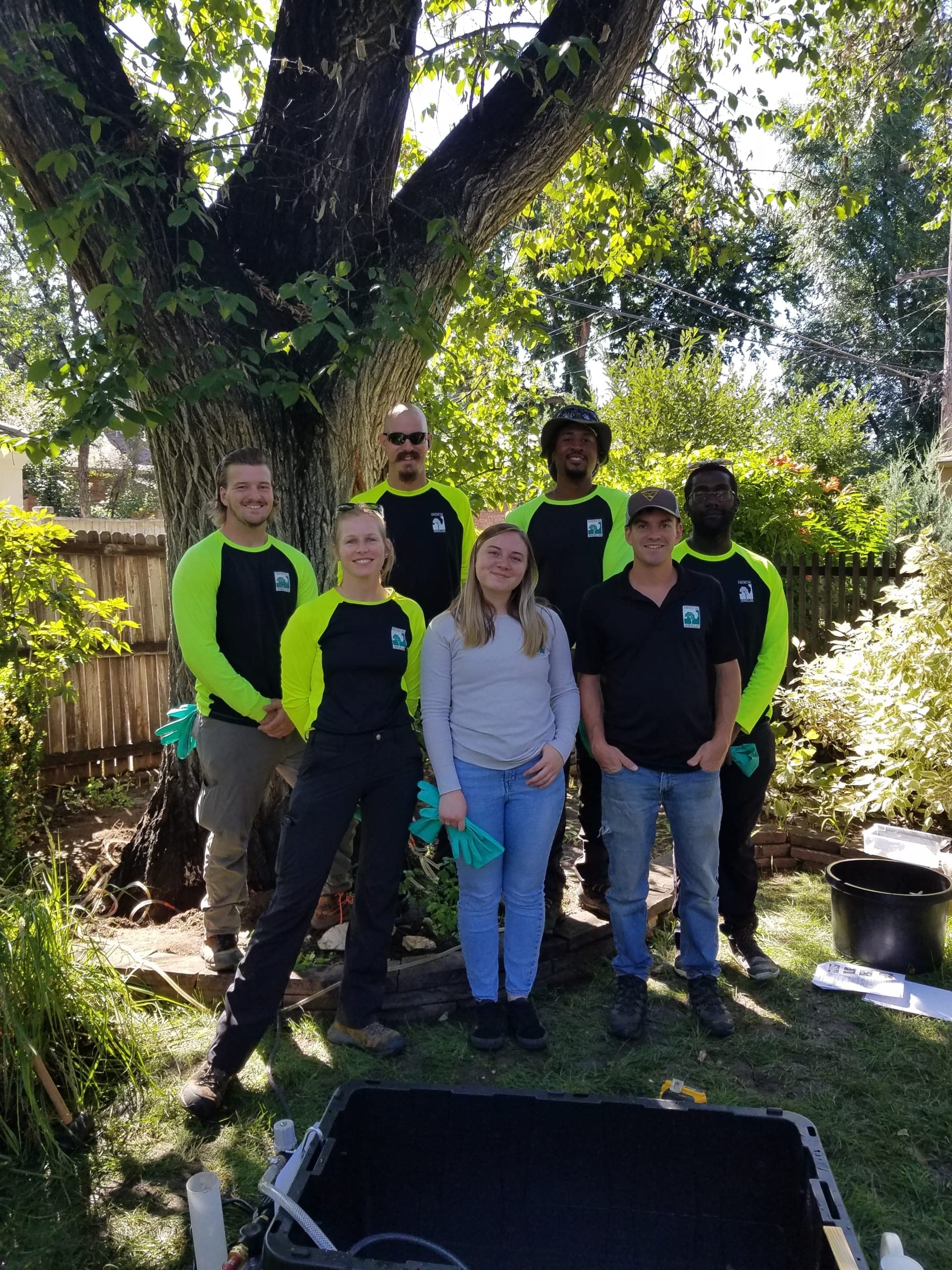
- Certified Arborists with expert knowledge
- Licensed with the Colorado Department of Agriculture
- Local, family-owned company since 1995
- Customized care plans, not generic treatments
- Commitment to safety in all plant health care services
- Environmentally responsible practices that protect your landscape and the environment
- Proper care techniques, including mulching and addressing plant incompatibilities
- Comprehensive approach to plant health care, integrating proactive and holistic strategies
- Strong customer relationships built on understanding each client’s unique needs
At American Arbor Care, we provide services for both residential and commercial lawns, tailored specifically for urban and suburban landscapes. Our comprehensive approach emphasizes plant health care, including expert tree care and turf management, to ensure the vitality and beauty of your property. Our service area includes Denver and the surrounding area.
Frequently Asked Questions (FAQs)
What is plant health care, and why is it important?
Plant health care (PHC) is a comprehensive approach to maintaining the vitality and beauty of your landscape. PHC emphasizes proactive practices—such as routine monitoring, preventive treatments, and environmentally sensitive techniques—to address plant needs before issues arise. It combines cultural, biological, and chemical methods to support plant health, reduce stress, and ensure long-term sustainability for your property, minimizing the need for reactive problem-solving.Why is plant health care especially important in Denver’s climate?
Denver has a dry, harsh climate that presents unique environmental stresses for your landscape. Preventative treatments are essential to help your lawn, trees, and shrubs resist pests and tolerate these stresses. Additionally, winter watering is crucial for trees, shrubs, and perennials between November and March if precipitation is low, ensuring their health through the colder months.What are the most common tree and plant problems in Colorado?
The most common tree and plant problems in Colorado are pest infestations, dehydration, lack of nutrients, and non-native intrusions. Plants can become susceptible to health problems due to environmental stresses, making proactive plant health care essential. Regularly inspecting your plants and noticing early signs of abnormalities, pests, or diseases helps prevent further damage and supports long-term plant vitality.When is the best time for plant health care treatments in Denver?
In Denver, the best time for plant health care treatment is based on insect activity and weather. We will assess your plant material and tailor your plan accordingly.How do I know if my trees or shrubs are unhealthy?
An arborist needs to inspect your trees and shrubs regularly to assess their plant health care needs. Noticing changes such as discolored leaves, unusual growth, or signs of pests and disease is key to identifying health issues early and ensuring timely intervention.Can plant health care prevent pests and diseases?
Yes, there are plant health care treatments and injections that can limit pests and diseases. Our approach goes beyond traditional pest management by incorporating preventative treatments and integrated pest management (IPM). This proactive strategy not only addresses existing issues but also helps maintain overall plant vitality and prevents future problems.What is the Emerald Ash Borer, and should I treat my trees?
The Emerald Ash Borer is a Southeast Asian beetle that can kill a tree in two to five years. It’s important to notice early signs of infestation, such as thinning leaves or bark splits. Regularly inspect your trees for symptoms and consider preventative treatments as part of your plant health care routine to protect your landscape and ensure early intervention.Is plant health care safe for children and pets?
When a professional conducts your plant health care treatment, all treatments are performed with safety and environmental responsibility in mind, making them typically safe for pets and children.Do you offer one-time treatments or ongoing plant care programs?
Our team can meet most needs, but we always recommend developing a comprehensive approach with ongoing monitoring for optimal plant health care. This ensures your landscape receives proactive attention and long-term vitality.How do I know which treatments my landscape needs?
As part of our treatment plan, we thoroughly inspect your landscape—evaluating species of plants, soil, leaves, and overall plant health—to ensure early detection of any issues. Our recommendations are based on a comprehensive understanding of your unique environment, so you receive the right treatments tailored for your garden.What’s the difference between professional plant care and DIY treatments?
The two biggest differences are the quality of the products used and the experience and training of the person doing the work. Professional plant health care ensures proper care by following best practices and prioritizing safety in all treatments and monitoring, helping to maintain the health of your landscape while protecting your property and the environment.Our Gallery
Our Resources
Denver Landscaping Service Discounts End March 31!
March 31 unofficially benchmarks the end of winter and the start of spring, regardless of the spring equinox and what Mother Nature might have to say. That’s when we focus determinedly on spring and summer and put away our…
Seasonal Shrub Pruning
To ensure your shrubs are looking their best and produce full and plentiful flowers, it’s important to prune them at the right time of the season. Here are some guidelines for the best times to prune your shrubs.
<...
3 Tips for Planting Trees in Denver this Spring
While it may seem like a simple, straightforward task to plant a tree, there are actually a few things to remember that can help promote better tr…