Why You Shouldn’t Worry About Fall Needle Drop in Denver According to Tree Pros
americanarbor September 29, 2016

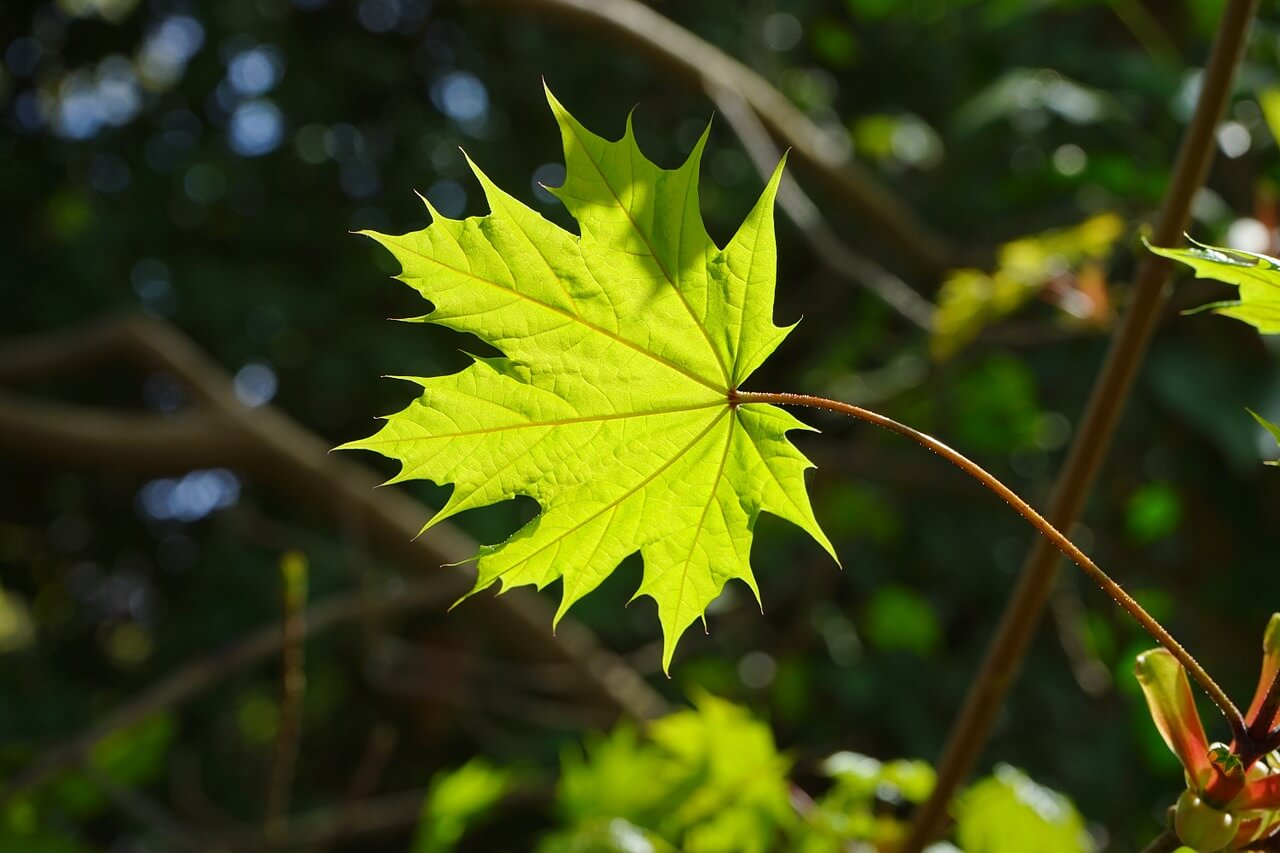
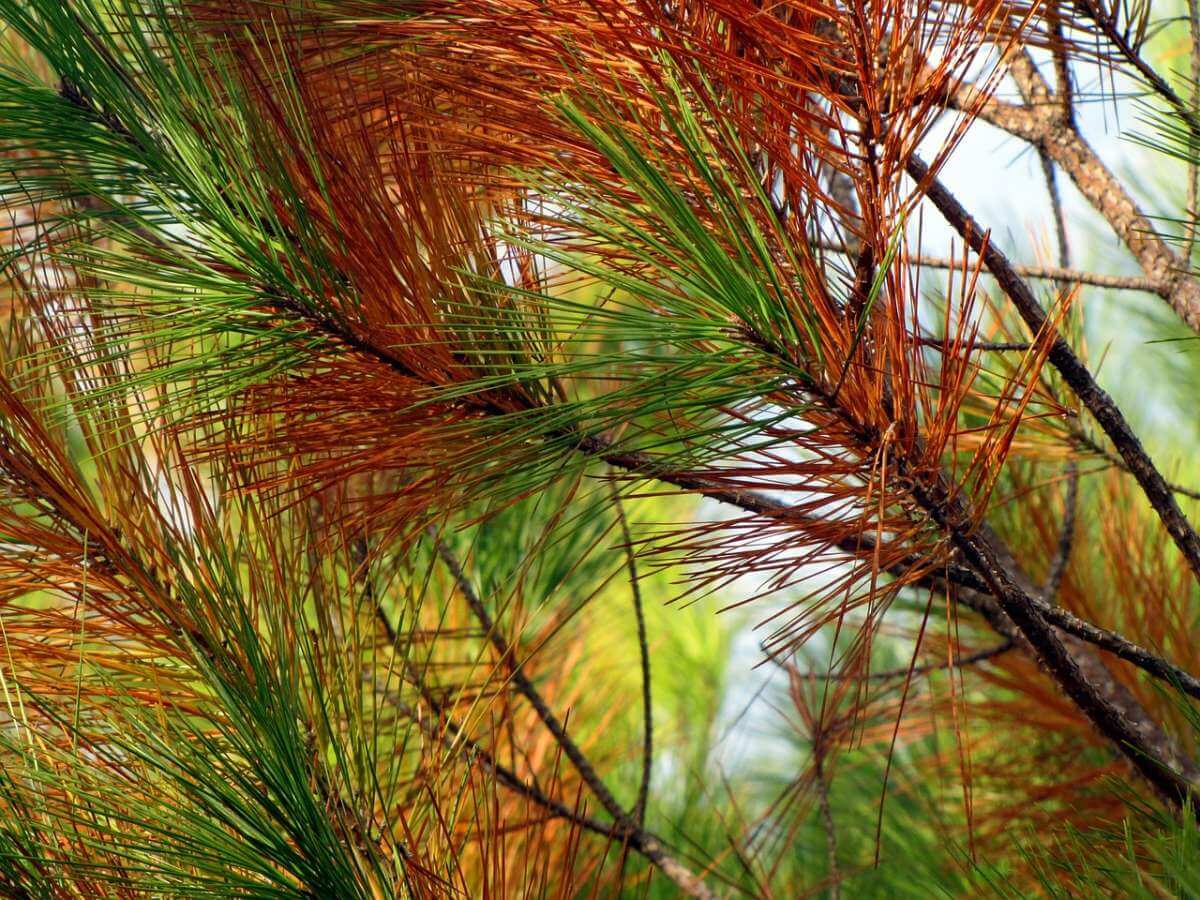
Fall, what a wonderful time in Denver. The weather offers several variations during the day, presenting mild morning temperatures and cooler nights. It’s a time to turn off the A/C and enjoy all the outdoor beauty Colorado has to offer. If you’re looking around your backyard, enjoying a hike in the mountains, or wandering through a park in the city, you will see trees changing all over – colors turn from green to burnt yellows, oranges and reds. You might notice that the pines and spruce trees may be experiencing what is known as fall needle drop. It can be alarming to people but don’t worry this is a normal cycle of shedding and regrowth according to the tree pros at American Arbor Care in Denver.

Here are three reasons you shouldn’t worry about fall needle drop:

It’s A Normal Cycle in Early Fall

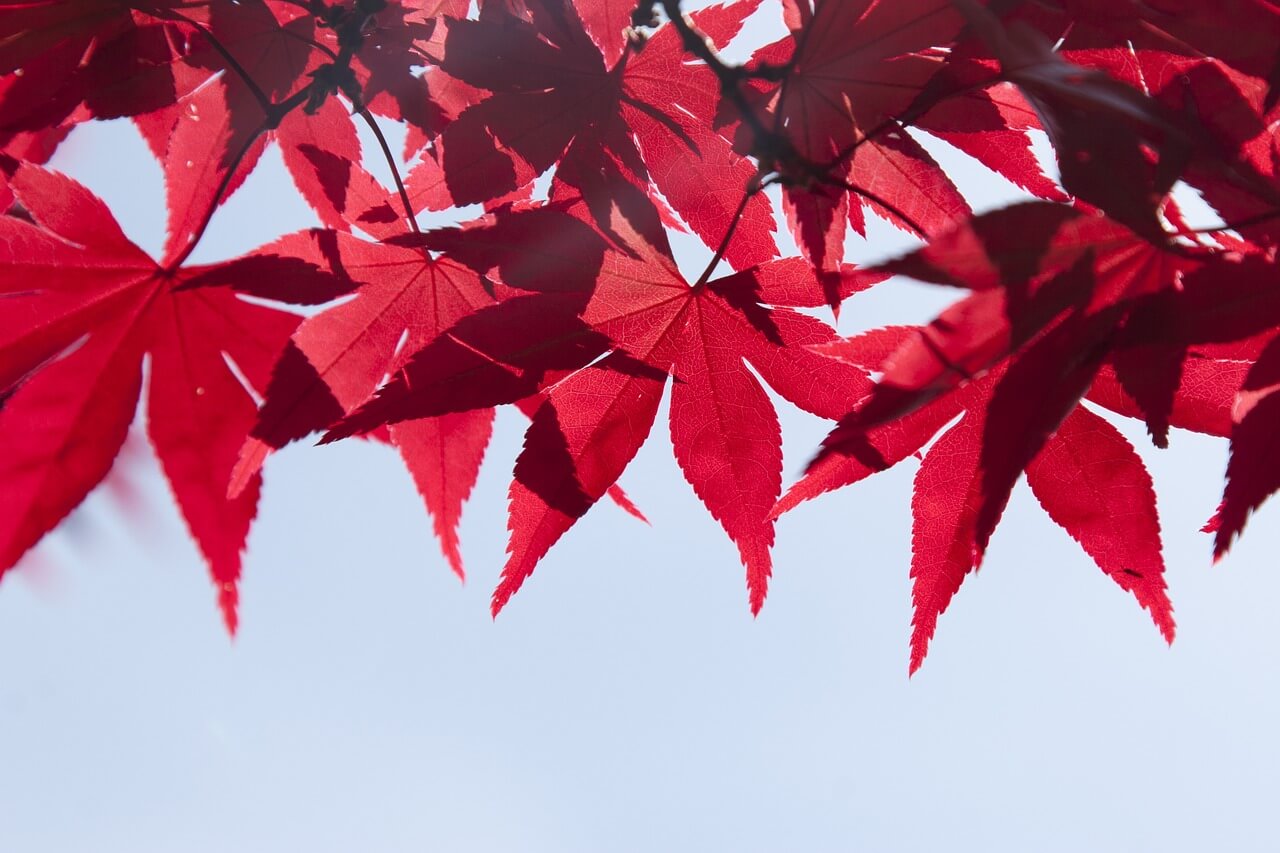
Just like the leaves of the aspen, oak and maple trees change colors, marking the end of summertime and the beginning of fall, spruce and pine trees experience needle color change and shedding as well, however, this cycle is less frequent. Branch shedding is also a natural phenomenon. To determine the cause of that branch on the ground, look for some of the tell-tale signs of branch shedding:

Trees Have Different Shedding Cycles

Typically, depending on the age and size of the tree, needles will change color and drop every 2-7 years. Don’t be alarmed if you notice your trees are changing and shedding their needles at different times. Spruce trees tend to shed their needles every 5 to 7 years while pine trees shed more often, usually every 2 to 5 years.

If It Was A Dry Summer

When trees are not provided enough water or food, needle drop will be more severe and begin earlier in the summer. It’s important to provide your trees with proper nutrition to make sure they stay healthy and happy, even in adverse conditions.

Pay attention to these natural cycles and enlist help from your local Denver tree pros at American Arbor Care when you feel that your trees may be experiencing more than natural needle shedding or branch shedding. There are several diseases that cause needle drop as well. To name a few, Cytospora canker, most common in mature Colorado Blue Spruce trees, is a fungal disease. Rhizosphaera needlecast attacks several branches at one time – turning the needles spotted and speckled with yellow blotches. Spider mites could also be a cause of unnatural needle shedding. To learn more about these problems, visit the Planttalk Colorado or check out our past article about early fall needle drop. These issues will be best diagnosed by your trusted Denver Arborist, so enlist help from American Arbor Care!

American Arbor Care is conveniently located in Denver to serve all your tree, shrub and lawn care needsContact us now or call us at 303-639-8584 to set up an appointment.
Tips from Your Denver Tree Service to Prevent Fall Pests
americanarbor September 28, 2016

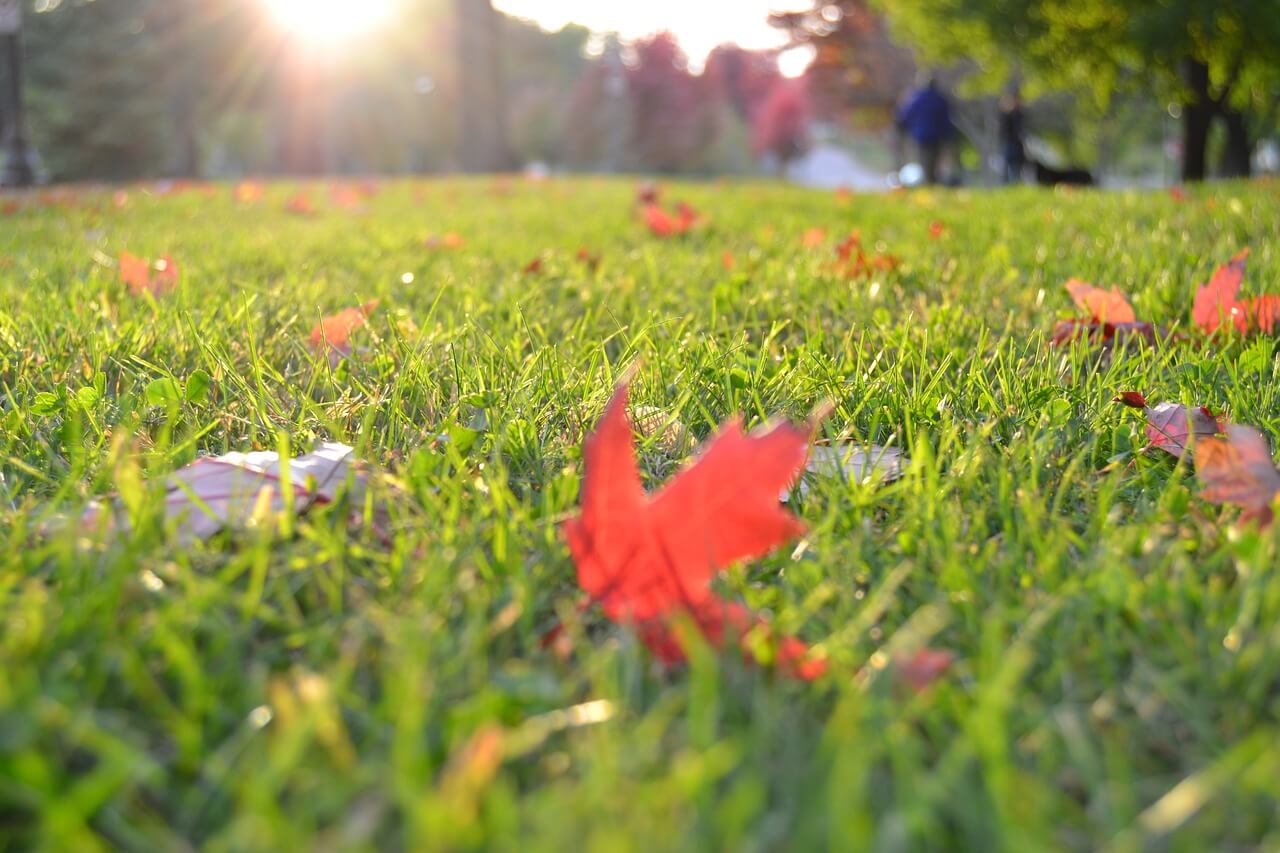
Along with the leaves changing, the start of fall can come with some unwanted pests in your yard and typically consist of webworms and Japanese beetles. Take advice from your local Denver tree and landscape service and make sure you know how to identify and properly deal with these insects before they create too much damage.

Webworms

Webworms consist of 20 different species that infect turf grass throughout the country. Adults are beige colored, around a half inch long, and have folded wings once mature. As the sod webworms grow, they start to leave large areas of brown sod. They like to choose sunny and dry locations and can kill a lawn in a matter of days. To determine your lawn is being damaged by webworms, you can dig into the patch and look for their telltale silk lined tunnels (or have your local landscape service do that for you!)

Japanese Beetles

Another pest that can wreak havoc on your lawn are Japanese beetles. They live in the soil and feed on the grass roots. Once the grubs (young Japanese beetles), chew off grass roots, it makes it hard for the grass to absorb enough water to survive any hot or dry weather. The way you can tell you have grubs in your grass is simply by looking for patches of dead or brown grass. These patches can be rolled back to show the lack of turf roots. However, you won’t find the grubs here as they have most likely already moved on. In most cases, they can be found in the patches of green grass adjacent to the brown patch.

If you catch them early, it’s fairly easy to prevent further destruction. If your turf is not irrigated, the greater chance that a population as small as 7-15 grubs per square foot can cause some damage. However, if your turf is irrigated, it can help withstand larger numbers of them. The best times to apply insecticide is from mid-July to late September as that is when the most grub root feeding occurs. It’s best to treat Japanese beetles when they are young. At stage 5 of their life cycle, they lay their eggs in turf and soil until up to 60 eggs are laid. This starts in the fall and so it’s crucial to start treatment right away.

The beginning of fall is prime breeding time for both webworms and Japanese beetles. Here are some important things you can do to protect your lawns from these pests:

  • Consistent and regular nutrient feeding to make your lawn strong enough to protect itself
  • Water your lawn frequently and deeply
  • Identify the problem early so it can be controlled as soon as possible

Not sure what’s damaging your lawn? Visit our lawn care and fertilization services page to find out how American Arbor Care, your Denver lawn specialist can help.

Create a Vibrant Introduction to Fall – Color for your Fall Landscape in Denver
americanarbor September 27, 2016

Gardeners often dread fall because they think it means the end of color in their garden. But consider planting a mix of annuals, perennials, and shrubs specifically for autumn. Let us help you put some color into your fall garden so that you can enjoy your Denver landscape a bit longer! We can help you with fall landscape, renovation, and irrigation as well as some fall plant suggestions for the Denver area.

Winter pansies are annuals with flowers that tend to be smaller than those of regular pansies, but you still get a spectacular range of colors. Choose a spot where they’ll get full or partial sunlight, and plant them at least eight inches apart in loamy soil. Water them well, especially when you first plant them. Deadheading will promote new blooms.

Russian sage loves sun and well-draining soil, and it can grow about a yard tall and up to two feet wide. It is a perennial and is known for its gray-green leaves and long-lasting spikes of small purple-blue flowers. It is a late summer bee favorite.

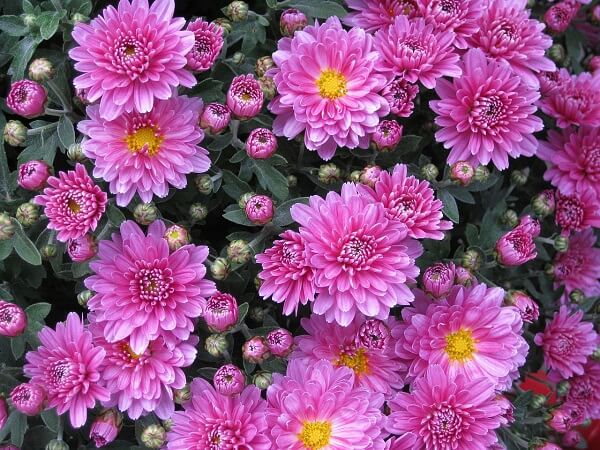
Asters (above) are favorite fall garden plants with star-like flowers ranging from pink to dark purple. Their height varies four feet tall to smaller varieties that reach two feet in height. Asters like full sun, rich, loamy soil, and they like to stay moist.
If you are looking for something to incorporate late summer which will extend into the fall, consider some of these plants especially hardy for the Colorado climate that will thrive in the Denver metro area:

  • Erodium chrysanthum (Yellow Storksbill) makes a compact mound of gray-green leaves, 6″ high and 12″-24″ in diameter. The spring bloom is strongest, followed by some re-blooming the rest of the summer. This is a very drought tolerant plant that has a history of dependable success in the Denver area.
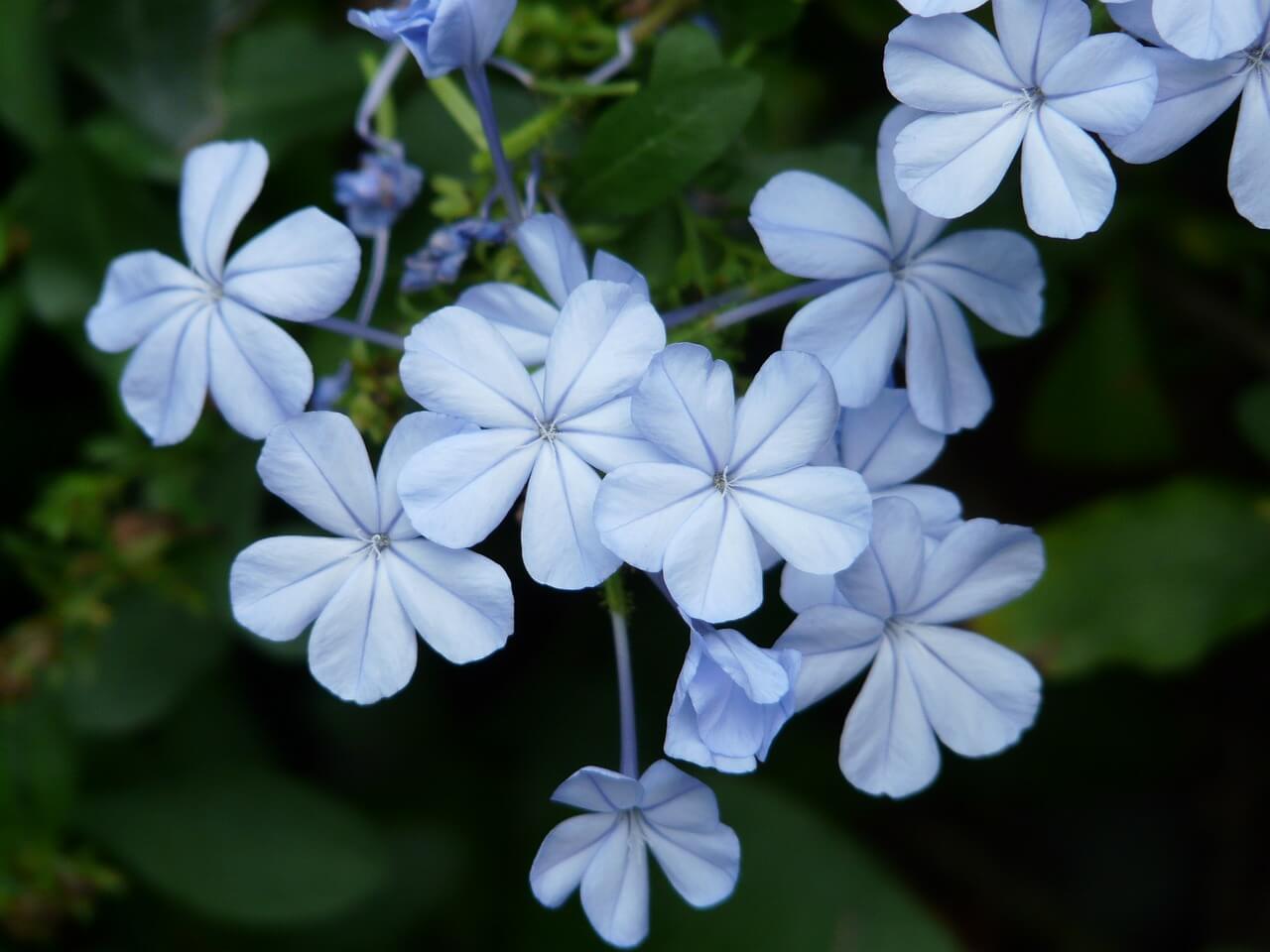
  • Plumbago (Ceratostigma plumbaginoides) is a tough and drought tolerant groundcover that blooms a very long time – from summer and into fall, and then dazzles with deep red fall foliage color. The flowers are an intense dark blue. It grows 6″-10″ high and spreads 24″-36″ or more into drifts. It has exceptional value underneath trees in dry shade.
  • Geranium ‘Rozanne’ has large violet-blue flowers that bloom continuously from late spring to mid fall. The flower is 2 ½” in diameter with purple-violet veins and showy white centers. It can grow 12″-24″ high and wide and its dark green leaves turn red in the fall. Like most hardy geraniums, ‘Rozanne’ has no serious pests and requires little maintenance.

Remember that no garden is complete without the splendor of brightly colored fall foliage provided by shrubs. Consider including some of these proven winners to provide eye-catching fall foliage:

  • Burning Bush
  • Compact American Cranberry Bush
  • Oregon Grape Holly
  • Golden Currant
  • Hedge Cotoneaster
  • Saskatoon Serviceberry
  • Virginia Creeper
  • Western Sand Cherry

Need some guidance with fall plants and shrubs? We can help! We want to help extend your garden color into late fall to give you a vibrant start to your season. Give the team at American Arbor Care a call today: 303-639-8584.

American Arbor Care Will Participate in 2nd Annual Saluting Branches
americanarbor September 14, 2016

Volunteering Tree Care for Veterans Cemeteries

Saluting Branches is a group of arborists and landscape industry professionals, started by Rainbow Treecare in Minnetonka, Minnesota, who have united to honor and remember United States veterans.

American Arbor Care is proud to participate and help do what we do best by providing excellent early fall tree care to help with the long-term upkeep of cemetery facilities. This ensures that the cemetery is a safe and beautiful place for anyone who visits.

In 2015, over one thousand volunteers from almost 250 different companies worked together to provide nearly $1 million and 8,000 hours in tree care and lawn services for cemeteries all throughout the United States. American Arbor Care looks forward to pitching in again, working together to give much-needed tree care for a great cause.

It’s an unfortunate but known fact that the cemeteries which provide comfortable final resting places for our loved ones aren’t always able to keep up with the grounds. This is especially true for dedicated Veteran cemeteries. This is why this once a year event was founded — it helps ensure that cemeteries which may not be able to afford to provide certain professional arborist services are able to take care of any issues with the trees and grounds of the cemetery. Whether it’s needed structural pruning or removing trees that pose a danger, American Arbor care and the rest of the arborists involved in Saluting Branches are happy to have a chance to help.

There are many different opportunities for individuals who may not be tree care specialists to help with the event!

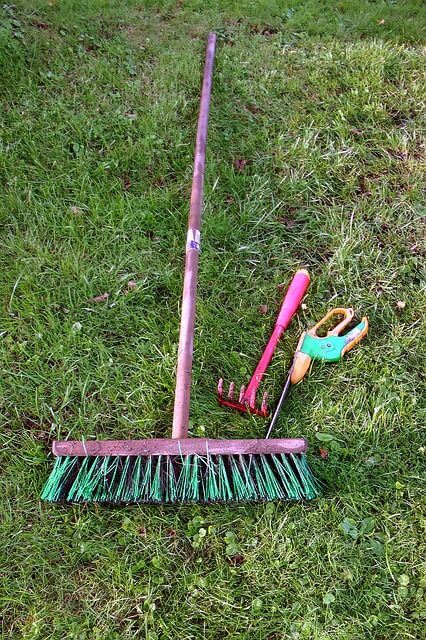
Saluting Branches is always looking for more volunteers to help make the event a success. Some non-tree field work opportunities include dragging brush, raking up debris from specialists who are pruning trees, helping to prune smaller sized shrubs which need attention, and weeding planting beds for flowers.

If that doesn’t appeal to you but you still want to participate and make a positive, lasting impression on the families of Veterans, there are other ways you can volunteer! This could includes assisting with the setup and takedown of the event, being a greeter or staffing the registration table (helping to get waivers signed, handing out hats, etc). You could also be a runner between teams in the field (bringing water, or communicating between groups), help to set up food and refreshments for the workers, or participate by taking photos and videos of the event.

If you are looking for ways to help the Saluting Branches mission before the event even begins, you have many options. You can share news about the event on social media. If that doesn’t seem like enough for you, you can also contact local media outlets, and ask around about food donations for the volunteers working the event.

Saluting Branches is a wonderful community mission. American Arbor Care is proud to be a participant and partner with Rainbow Treecare this year, and we hope assist in revitalizing the area and paying tribute to our country’s veterans.

From Your Denver Tree Service Experts: The Best Time to Plant Trees in Colorado
americanarbor September 1, 2016

Early spring is often considered the right time to plant trees in Colorado, but Fall is actually a perfect time to plant in Denver. You should complete all planting by mid-October. This means right now is the time to plant those trees for color and foliage in the Spring season. In our quest, as your Denver tree service experts, to bring you timely information for your landscape, here are some things to keep in mind when planting trees in the Fall.

Denver’s dry climate and sometimes poor, alkaline soils can present some difficulties for trees. Healthy, long-lived trees get off to a good start when you pay attention to some tree-planting fundamentals, so do your homework before planting trees. They need room to develop root systems underground and branches above ground. Don’t plant trees that will grow too large in small areas. Also avoid planting under power or telephone lines or too close to buildings.

Get Started Planting!

Before digging, contact your utility company to mark the location of any underground lines. You could be liable for damage done to such lines. Then, to prepare the site, mark a circle or square at least 3 times the diameter of the tree’s root ball. In clay soil, dig to a depth 2-4 inches shallower than the height of the rootball. Leave the bottom of the hole firm and undisturbed. To the excavated soil, add 25 percent, by volume, of a coarse organic amendment, such as sphagnum peat, compost or aged manure. Mix it well with the excavated soil; this becomes your backfill.

Remove any plastic or metal containers from the root ball. If the tree is in a fiber pot, tear off the sides. If the roots of a containerized tree are pot-bound, tease out some of the roots and shallowly slit the root ball’s sides with your finger or a knife. For balled trees, cut any rope tied around the trunk and pull the burlap away. Cut any reinforcement wire, removing as much as possible. Be sure the root ball stays intact. Shovel backfill into the hole; continue until roots are covered and most of the backfill is used. Don’t tamp the soil. Don’t put fertilizer into the planting hole; it may cause root injury. Instead, wait until next spring to fertilize lightly.

How Much Water?

Water the soil at relatively low pressure. Let the water settle the soil. If the soil settles below grade, add more backfill. When done, the planting area should be well-soaked and moist backfill should barely cover the top of the rootball. Mulching will reduce watering frequency in the coming months. Also, don’t stake small trees or those not in the wind’s path.

Make sure to water during the winter months too if it is particularly dry. One rule for watering throughout the winter, involves the winter holidays. Water on Halloween, Thanksgiving, Christmas, Martin Luther King Day, Valentine’s Day, and then get back on track with your Spring watering schedule.

Need help with tree planting this Fall?

Our arborists can visit and assess your property for your unique trimming, pruning, planting, removal and stump grinding services. Give us a call today:  303-639-8584.

Recent Drought in Denver – Proper Tree and Lawn Care
americanarbor August 26, 2016

According to a recent report by the Denver Post, a federal report announced last Thursday that areas of Colorado are experiencing a moderate drought. Specifically the area spanning I-25 from Denver to Fort Collins are in the midst of a dry spell.

The weather as of late has been drier than usual, and this stint of dry weather has affected unirrigated vegetation. The dryness is seen in the foliage of some plants and trees predominantly. According to the U.S. Drought Monitor, moderate drought is considered “the second-lowest intensity on the monitor scale.”

Although not as great as other regions around the country, like California, for instance, the damage can still have a major impact on plants and pastures in the area and reduce the amount of overall water flow through smaller streams. It is not expected to continue – and is considered to be a short-term dry spell which should have no effect on our overall water supply.

There are a few trends that have been measured:

  • Many areas in the state of Colorado are experiencing a drop in rainfall
  • The dryness is outside of the norm
  • Around 248,000 people reside in these areas
  • Southern Colorado rainfall has been normal

There are some measures you can take if you notice the area around your home to make sure your grass, plants, and trees are getting proper hydration – while also being conscious of water conservation. Always remember not to water in the middle of the day – shoot for early, before sunrise and allow plenty of time for the water to be absorbed before the sun comes out. You can also water in the evening anytime after sunset. Consider manual watering of planters to make sure you are conserving as much water as possible.

It is very important to choose the most efficient system for your home and garden, and during warm weather, you can take measures to adjust your overall watering settings. Pay attention to the weather patterns and be sure to adjust your watering schedule accordingly. Overwatering can be just as detrimental to the health of your lawn as under watering.

Have specific questions about how to manage your home, lawn, garden, and trees? American Arbor Care can provide the advice you need. As the leaders in tree care in Denver, we keep up to date on all current trends and monitor everything from present diseases to levels of drought throughout the area. We can analyze your particular scene and recommend the best course of action to either maintain your space’s health or improve the current situation.

Call us today to get more information at 303-639-8584 or contact us through the web with questions or comments – our team is ready to assist you!

Top Categories of Shrubs that Will Thrive in Your Denver Landscape
americanarbor August 19, 2016

The best shrubs for Denver landscaping provide privacy screens, block unwanted sounds, provide habitat for wildlife, and add visual interest.

The state’s geography, high elevation and weather patterns combine to create gardening conditions that can challenge even the most seasoned gardener. Many regions of Colorado experience hot, sunny summers, cool nights, and short growing seasons.

When choosing shrubs for your Colorado landscape, take climactic characteristics into account, as well as soil conditions and elevation. Here are a few examples of different categories of shrubs: small deciduous, large deciduous, small evergreen, large evergreen, and shrubs for high elevations that you can choose for your Colorado landscape:

Small Deciduous
Deciduous shrubs lose their foliage during cooler months, but can provide flowers and fall color. Shrubs that grow to less than 6 feet tall include:

  • blue mist spirea (Caryopteris x clandonensis)
  • bog birch (Betula glandulosa)
  • cliff fendler bush (Fendlera rupicola)
  • false indigo (Amorpha fruticosa)
  • flowering quince (Chaenomeles speciosa)
  • golden currant (Ribes aureum)
  • golden vicary privet (Ligustrum x vicaryi)
  • Hancock coralberry (Symphoricarpos x chenaultii)
  • Kelsey dogwood (Cornus sericea),
  • eadplant (Amorpha canescens)
  • mountain ninebark (Physocarpus monogynus)
  • mountain spray (Holodiscus dumosus)
  • purpleleaf Japanese barberry (Berberis thunbergii atropurpurea)

Large Deciduous
Deciduous shrubs that grow to more than 6 feet tall and that are good choices for shrubs in Colorado include:

  • ash leaf spirea (Sorbaria sorbifolia)
  • burning bush (Euonymus alatus)
  • Cheyenne privet (Ligustrum vulgare)
  • mountain mahogany (Cercocarpus montanus)
  • PeeGee hydrangea (Hydrangea paniculata)
  • Peking cotoneaster (Cotoneaster acutifolia)
  • pin cherry (Prunus pensylvanica)
  • redtwig dogwood (Cornus sericea)
  • Rocky Mountain maple (Acer glabrum )
  • serviceberry (Amelanchier alnifolia)
  • Siberian peashrub (Caragana arborescens)
  • smoketree (Cotinus coggygria)
  • smooth sumac (Rhus glabra)
  • spindletre (Euonymus europaeus)

Small Evergreen
Evergreen shrubs do not lose their foliage in winter, which means they are good choices for year-round privacy screening and color. Evergreen shrubs that grow to less than 6 feet tall include:

  • antelope bitterbrush (Antelope bitterbush)
  • ‘Blue Girl’ holly (Ilex x meserveae)
  • cliffrose (Cowania Mexicana)
  • common juniper (Juniperus communis montana)
  • creeping Oregon grape holly (Mahonia repens)
  • kinnikinnik (Arctostaphylos uva-ursi)
  • littleleaf boxwood (Buxus microphylla)
  • mentor barberry (Berberis xmentorensis)
  • rhododendron (Rhododendron spp.)

Large Evergreen
Evergreen shrubs that grow to more than 6 feet tall:

  • big sagebrush (Artemisia tridentate)
  • cut-leaf mountain mahogany (Cercocarpus ledifolius)
  • Japanese red pine (Pinus densiflora)
  • mugo pine (Pinus mugo)
  • Rocky Mountain juniper (Juniperus scopulorum)
  • Scotch pine ‘pumila’ (Pinus sylvestris)
  • spreading juniper (Juniperus x media)
  • Swiss stone pine (Pinus cembra)
  • white spruce (Picea glauca)

Shrubs for High Elevations
If your Colorado landscape is above 6,500 feet, choose shrubs that can thrive at higher altitudes. These include:

  • alpine currant (Ribes alpinum)
  • blueleaf honeysuckle (Lonicera korolkowii)
  • hedge cotoneaster (Cotoneaster lucidus)
  • forsythia (Forsythia x hybrida )
  • Lewis mockorange (Philadelphus lewisii)
  • purpleleaf sand cherry (Prunus x cistena)
  • red chokecherry (Aronia arbutifolia)
  • roses (osa spp.)

American Arbor Care offers professional tree, shrub, lawn, and landscape maintenance services across Colorado. Our services include shrub planting and pruning, insect and disease management, consultation, landscaping, free estimates and more. Call us today at 303-639-8584 if you have more questions about what shrubs would work best for your landscape and home environment and let the experts be your guide.

The Denver Tree Pros Debunk the Most Common Tree Pruning and Trimming Myths
americanarbor August 5, 2016

With so much information in the world these days, it is hard for homeowners to figure out what is true and what is not – especially in the complicated industry of tree care. Most homeowners love their trees, but know little about how to care for them. Much of what you may have heard about tree care is incorrect. There are a lot of unsafe practices and old wives’ tales out there that may lead you to do the wrong thing, or hire the wrong person to take care of your trees. Here at American Arbor Care, we don’t want you to be fooled by tree care myths. Instead, read on to protect yourself and your landscaping by learning about the myths behind pruning and trimming your trees.

Myth #1:  Pruning trees and shrubs invigorates them
Progressive techniques can maximize the benefits of pruning while minimizing the negative impacts. Conversely, improper or severe pruning maximizes the negative impacts while realizing very little, if any, of the benefits of pruning. Severe pruning often results in the stimulation of dense, vigorous growth. However, this growth consumes a great amount of the tree’s energy, weakening its natural defenses. While the benefits of pruning are many, there will be some negative impact from the loss of foliage. Reduction of the foliage mass means a reduction in the tree’s capacity to photosynthesize, and thus reduces the energy available for all its life processes.

Myth #2:  Topping (the removal of the upper portion of a main stem) is good for a tree
Regardless of technique, topping is always a serious injury to the tree and usually results in serious, long-term structural consequences. A few of the negative impacts of topping:

  • Creates a denser foliage crown through rapid re-growth that then requires frequent maintenance for re-topping or restructuring.
  • Serious decay at the topping cut and poorly attached re-growth rapidly resulting in increased hazard potential.
  • Reduction of the tree’s energy producing capacity and thus its ability to resist insect and disease problems.

Myth #3:  Filling cavities in trees with concrete strengthens them and helps them heal
Generally, proper management of tree cavities is best left to the tree itself, because filling tree cavities does not increase structural strength. It may actually cause harm and increase decay.

Myth #4:  Making pruning cuts close to the trunk or parent limb will help the tree heal faster
To minimize decay and promote closing of wounds, do not penetrate the tree trunk but retain the branch collar (the slightly raised areas surrounding the base of most branches). Trees do not actually heal, in that they do not replace lost tissue, but only cover injuries with new layers of wood.

Myth #5:  Installing cables, bolts or other hardware will render a hazardous limb or tree safe.
The installation of cables, bolts, and other hardware in trees is intended to reduce potential hazards only and does not permanently remedy structural weaknesses – and is not a guarantee against failure. Sometimes, to preserve a substantial limb, trunk, or the entire tree, it becomes necessary to provide additional support through the installation of hardware, but such hardware must also be inspected periodically and adjusted or replaced as necessary.

Damage to trees is only occasionally intentional; more often it’s negligence – or even ignorance and belief of such myths as these. Need help deciding on the best approach to your tree care? Our arborist will visit and assess your property for your unique trimming and pruning needs. Give us a call today: 303-639-8584.

Mid-Season Tune-up for Your Denver Landscaping Irrigation System
americanarbor July 27, 2016

You are probably well aware of the benefits of a Spring startup and a Fall blowout of your Denver sprinkler system. But there is an important service that a lot of folks don’t know about. This service is the mid-Summer checkup of your sprinklers to make sure your system is in harmony with the weather and conditions present in the middle of the hottest, driest part of the year. At American Arbor Care, we provide Denver lawn care services of aeration, fertilization, overseeding, and top-dressing to keep your lawn looking its best. Here are a few good reasons to do a mid-season irrigation system check:

  1. It’s important to schedule mid-season maintenance to keep your system in tip-top condition. Correcting any problems with watering not only helps regulate your water bill, it also ensures that your lawn and landscape are getting what they need to stay healthy and beautiful, which is why you have an irrigation sprinkler system. Every day during the summer, your irrigation system is making sure that your lawn, garden, and landscape are getting just the right amount of water to just the right places. With a little bit of preventative work, you’re ensuring cool, green, beautiful grounds and avoiding many potential pricey dangers that could stem from neglect.
  2. Properly operating and maintaining a home irrigation system is important throughout the entire watering season. The mid-summer checkup makes sure your sprinkler system is getting attention when it’s working the hardest, and when your lawn needs your sprinkler system the most. Your irrigation timer needs to be reprogrammed for the hot, long, dry days of summer, because in these conditions, your sprinkler system needs to be operating at peak performance. It’s the perfect time to scrutinize your spray coverage now that all your shrubs, trees, and flowers are in full growth to make sure they are getting the correct amounts of water to ensure their longevity and beauty. Necessary adjustments to heads and zones for watering times protect your landscape investment and ensure your lawn and landscaping will be beautiful through the hottest days of summer.

A basic checkup will include an examination of the condition of the irrigation heads, a check for damaged or missing spray heads and leaking lines, heads that spray a hard surface or that leave part of the landscape without water, and clogged nozzles. By maintaining the functionality of your sprinkler system in the Spring, Fall and Summer, you avoid the common irritating problems that Mother Nature and time inevitably cause on your irrigation system.

Watch a video for additional lawn tips! 

American Arbor Care offers professional tree, shrub, lawn, and landscape maintenance services across Colorado. Our services include tree and shrub pruning (and removal), insect and disease management, tree planting, fertilization, weed control, stump grinding, mulching, consultation, landscaping, free estimates and more. Call us today at 303-639-8584 to get other mid-summer maintenance scheduled and find out more about our services.  

Vigilant Treatment Methods in Denver for Eliminating Insects on Your Trees and Shrubs
americanarbor July 22, 2016

Now that we are in the middle of July and the outdoor temperatures have become significantly higher, changes are of course needed in terms of your landscape management. With a second application of aphid and mite for your shrubs and trees, landscapers have to now consider being vigilant against spider mites and Japanese beetles because these insects become quite active during this period of the season. The Japanese beetles have reached their adult stage and landscapers must apply a variety of treatment methods to keep them at bay.

Small Pests
What are spider mites? These small pests love the idea of drinking the sap of your plants. They take their attack to the underside of your plant’s leaves and suck the daylight out of the plant, creating noticeably large infestations that may destroy your plant. Once you notice the infestation, it is then time to put your landscaper to work in an effort to eradicate these insects.

Two Spotted Spider Mites
While spider mites may get under the leaves of your plant, they will also eat up the sides of your flowers and leaves. Ultimately, the spider mites will eat until they make holes through the leaves themselves, subsequently causing infestation. The two-spotted spider mite has a reputation of infesting more than a hundred different plant species. As a property owner, you need to be aware of this.

The Methods
It is important that the plants outdoors are sprayed with a hose. All infested plants must be watered with a high pressured water hose, specifically targeting the underside of the plant’s leaves. This method should aid in washing away the spider mites. However, there are several commercial miticides available if you are looking for another way to rid your plants of those spider mites. Many of these miticides have natural ingredients that won’t ultimately harm your plants. There are particular products that help to kill leaf eaters. Most are very safe to use and can even be pleasant smelling.

The Japanese Beetle
The most destructive pest that can be found during the summer on urban landscape plants is the Japanese beetle. The rainfall from the mid-summer rains coupled with sufficient soil moisture will prevent newly-hatched eggs and grubs from being dried out. The female beetles are drawn towards the moisture of the grass where they go to lay eggs. For that reason, irrigated lawns will have a higher population of grub. This is especially true during the drier summer months. During the drought when the earth has less moisture, older grubs tend to be found deeper in the soil. Most grubs from the Japanese beetle species are able to withstand a great deal of soil moisture. Therefore, heavy lawn watering or excessive rainfall is no bother to them.

Avoiding Damage
As pests chew the grass roots, it is harder for the grass to effectively take up sufficient water in order to withstand the stresses caused by a hot and dry summer. This causes vast dead patches to grow in an area infested by Japanese beetle grubs. Early detection of this problem could prevent further destruction. To avoid those summer battles with Japanese beetle grubs, choose your plant species carefully. The plants prone to being destroyed by these grubs include the Japanese maple, sassafras, roses, and Norway maple. If you can, remove the beetles with your hands when they are low in number. You could also try to shake them off the plant during the early hours of the morning since this is when they are most sluggish. You can set traps for these beetles too using bait – but it is best to let your Denver landscaping professionals assess the situation and determine the best course of action.

To reduce damage to your landscape and plants, it is always best to hire a landscape professional. Contact the experts at American Arbor Care for all things tree and plant health services in Denver to discuss your needs or call for a free consultation at 303-639-8584.

When was the last time you had a landscape assessment with a Certified Arborist?

Schedule your free assessment today!