<strong>Denver Tree Care Encyclopedia: The Colorado Blue Spruce</strong>
americanarbor November 18, 2022

The Colorado Blue Spruce can be found in home landscapes across the state, and its majestic blue-green hue makes it stand out among other, less showy trees. Known for its exceptional beauty, this common landscaping tree is worth learning about and caring for — especially since it’s Colorado’s official state tree. Let’s learn about the Colorado Blue Spruce and what it needs to grow healthy and strong.

What Does a Colorado Blue Spruce Look Like?

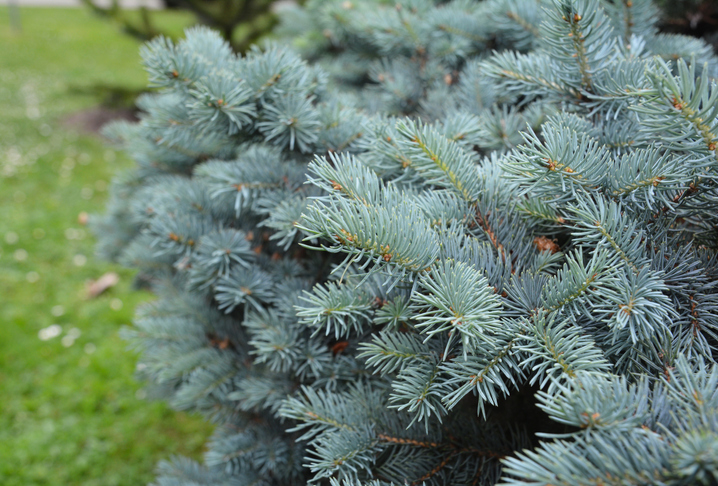
The Colorado Blue Spruce is a unique shade of silvery blue-green, and its color remains throughout the year. Its needles grow  to about an inch in length, and they’re quite stiff and prickly. The tree also produces light brown cones that are between three and four inches in length, hanging downward near the top. Typically, the Colorado Blue Spruce grows in the shape of a pyramid, with a pointed top and wide, thick base. 

Where Does it Grow?

The Colorado Blue Spruce is very hearty, and it can easily adapt to many different soil types and weather conditions. Additionally, the tree has an extensive root system that allows it to withstand high winds and harsh weather. The state of Colorado is in growing zones four through six, making it easy for the Blue Spruce to grow anywhere in the state, including in the mountains. In fact, the tree was first discovered in the Rocky Mountains over a century ago.

How Big Does it Get?

Growing at a slow to medium rate, the Colorado Blue Spruce reaches heights of 50 to 75 feet, with a spread of up to 20 feet in width. In the wild, this lovely tree can grow up to 135 feet tall, with a spread of 35 feet in width. If you have a young Colorado Blue Spruce in your home landscape, you can expect it to grow at a rate of up to 6-12″ per year.

What Does it Need to Grow?

The Colorado Blue Spruce is incredibly hearty, and it’s learned to adapt to all kinds of conditions. Let’s discuss its soil and sun needs.

What type of Soil Does it Need?

This hearty tree can thrive in all kinds of soil, including acidic, well-drained, clay, loamy, or moist conditions, and it can tolerate moderate flooding and droughts. Overall, it grows best in soil that receives normal moisture throughout the year.

How Much Light Does it Need?

The Colorado Blue Spruce thrives in full sun, with at least six hours of unfiltered sunlight. If you choose to plant one near your home, make sure it gets plenty of direct sunlight every day in order to grow properly.

Are Colorado Blue Spruce Trees Native to Colorado?

Not only is the Colorado Blue Spruce native to Colorado, but it was first discovered in the Rocky Mountains nearby. This tree is native to North America, and it can be found growing naturally in states like Colorado, New Mexico, Utah, Wyoming, Arizona, and Idaho.

Interesting Facts:

  • Many animals find shelter in the Colorado Blue Spruce, including Pine siskins, crossbills, and nuthatches.
  • The Colorado Blue Spruce was discovered in 1862 in the Rocky Mountains.
  • The tips are edible, tart, and full of vitamin C.
  • It’s the most popular choice as a landscape tree in the United States.
  • They’re also the most popular tree to be chosen at Christmastime.
  • The Blue Spruce is Colorado’s official state tree.
  • These magnificent trees may live 600 to 800 years!

If you’d like to learn more about the Colorado Blue Spruce and how to properly care for them, we’re here to help. Contact us today at American Arbor Care.
How to Care For Your Tree After a Snow Storm
americanarbor November 10, 2022

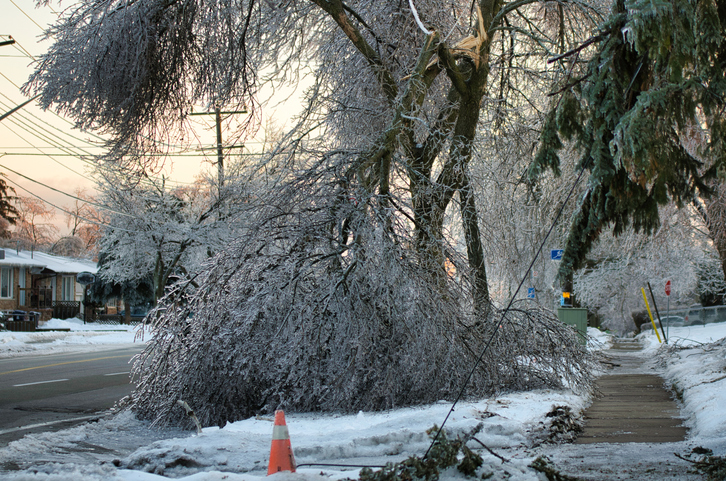
Here in Denver, snow and ice are are winter staples, and most trees have learned to adapt to these harsh conditions. Even so, trees can be severely damaged by the weight of compacted snow and thick layers of ice, leading to dangerous conditions for the tree’s health — and your own. Let’s look at some things you can do in order to save your damaged tree after a snow storm.

What are the Signs of Snow and Ice Damage?

Some common signs that your tree has undergone damage from snow or ice include:

  • Bowed branches, reaching toward the ground
  • Snapped branches on the ground
  • Broken branches hanging in the tree
  • Torn pieces of bark or shattered branches
  • The tree is leaning abnormally

Assess the Damage to Your Tree

Before assessing your tree, make sure the conditions are safe enough for you to approach the area. From a distance, observe your tree and look for signs of bowing branches or a leaning tree. Look for downed power lines or broken branches that are leaning on power lines above. If you can safely approach the tree, and it’s small enough, you may be able to save it yourself. If, on the other hand, your tree is very tall, or if there are large, broken branches on the ground, it’s best to call a professional. Branches are heavy, and an arborist will have the equipment and knowledge to safely care for your injured tree.

Carefully Remove Snow From the Tree

If your tree is small, and if you feel comfortable approaching it safely, you can begin to remove snow from its branches. Use a broom or other object to carefully sweep snow off the tree, effectively removing excess weight from its branches. If the snow is compacted or has begun to melt, you can use a shovel to knock the snow off.  Use upward sweeping motions and take care not to break or injure branches in the process.

Remove Broken Branches 

Broken limbs that are small need to be pruned at the point where they join larger branches. This will lessen the chances that your tree can become sick from bacteria entering its wounds. To prune small branches, it’s important to make cuts in the correct places. You’ll need to make a partial cut on the bottom of the branch, several inches from where it meets the trunk. Then, make another cut on top of the branch, but several inches away. That way, when it falls, the branch will fall easily. Finally, make a cut near the branch collar, where it joins the trunk. 

Large branches that are broken will need to be pruned as well. In most cases, it’s best to call in the pros. They’ve got the tools and expertise to safely prune your tree, while ensuring that it will heal properly where cuts have been made.

Bracing and Staking Your Tree

If your tree is young and leaning significantly, it may be necessary to provide support so it will continue to grow vertically. To do this, use a mallet to drive two or three stakes into the ground around the outer perimeter of the tree’s root ball. Then, push the tree upright by carefully adding even pressure to its trunk. Use special straps to attach the stakes to the tree, and make sure the tree has enough slack to sway, but is thoroughly supported. 

A young, leaning tree may require bracing and staking for up to a year in order to ensure that it grows correctly.

Spring Fertilization 

As always, a healthy tree is most likely to weather storms with ease while avoiding disease and infestation. You can encourage your tree to stay healthy and strong by fertilizing it each spring.

If you’ve got questions about how to care for your trees after a snow storm, or if you’d like tips on how to keep it healthy, we’d be happy to help. Contact us at American Arbor Care today.

Ascochyta Leaf Blight: What is it and How Can You Get Rid of it?
americanarbor September 14, 2022

What is Ascochyta leaf blight?

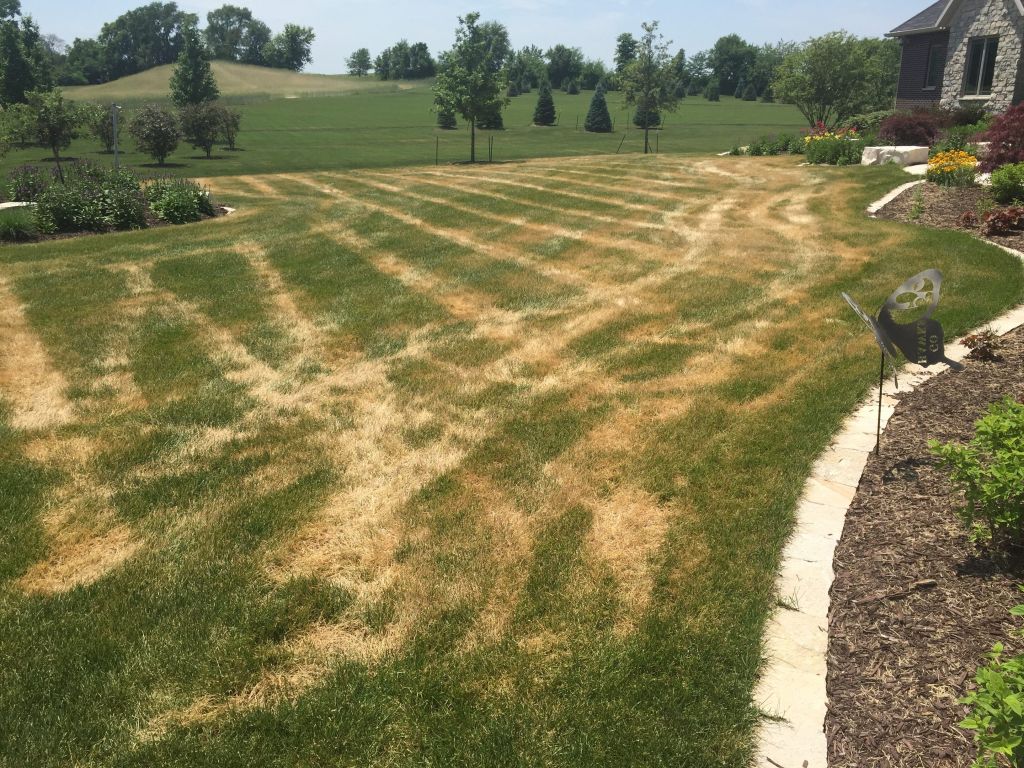
Ascochyta leaf blight is very common disease that affects Kentucky bluegrass. It is also problematic for tall fescue and perennial ryegrass, among others, but it seems to affect Kentucky bluegrass most often. It can develop overnight, leaving your lawn looking drought-stressed and dead. Although it may seem intimidating, Ascochyta leaf blight isn’t as detrimental as it looks. Symptoms may begin to appear throughout the spring and early summer, and it’s especially common when rainy spring conditions lead to hot, drought-like summers.

What causes it?

Ascochyta leaf blight is caused by Ascomycete fungi. Although its development isn’t completely understood, it thrives in wet conditions in the springtime. Most often, Ascochyta leaf blight develops when soil conditions have not been properly maintained, and moisture levels have fluctuated greatly between very wet and drought-like periods.

Once it’s present in your lawn, you can exacerbate the problem by mowing frequently, especially with dull blades. This causes wounds to develop in your grass, allowing the disease to spread.

What does it look like?

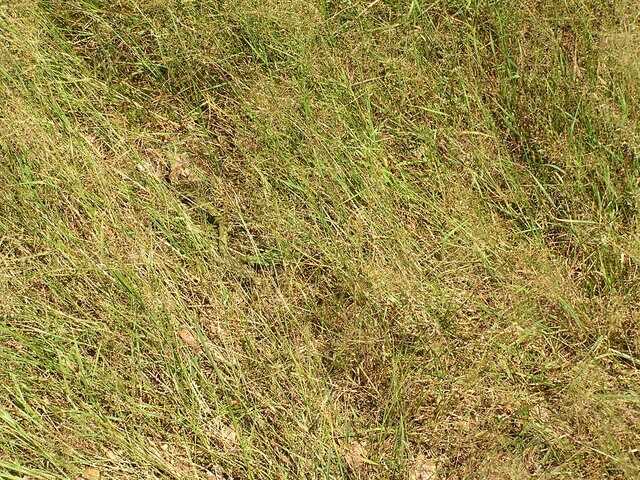
Oftentimes, Ascochyta leaf blight resembles drought stress, leaving large, uniform patches of straw-like grass. It may look like your lawn is dead, but there may be healthy green blades of grass interspersed throughout. Ascochyta leaf blight can develop very quickly, beginning at the tips of each blade, and moving downward. Luckily, the roots are not usually affected.

What types of grass does it impact?

Most often, Ascochyta leaf blight affects Kentucky bluegrass, but it’s been known to be present in other types of grass, including tall fescue and perennial ryegrass. Since Kentucky bluegrass is prevalent throughout Colorado, Ascochyta leaf blight has become quite a nuisance.

Can it kill your lawn?

Although it may look like your lawn is quickly dying, Ascochyta leaf blight does not cause any permanent damage. This fungus affects the leaves of the plant, and it typically leaves the roots unaffected. While it’s not harmful, leaf blight can make your lawn look awful, and it can quickly ruin all the hard work you put into landscaping. Luckily, there are things you can do to prevent and manage Ascochyta leaf blight, so your lawn will be lush and green again in no time.

How can you get rid of it?

The best way to manage Ascochyta leaf blight is by preventing its growth in the first place. To do this, water your lawn consistently and deeply. Aim for one to 12 – 20 minutes of deep watering per zone every other day to maintain steady moisture and keep leaf blight at bay. Avoid watering at night to prevent the spread of the disease. It’s also important to mow your lawn when the grass is dry. Avoid early mornings and evenings when dew is present since the water will spread the fungi throughout your lawn. Aim for your lawn to be around 3 to 3 ½ inches in length, and try to mow about 1/3 off the top each time.

If your lawn does show symptoms of blight, simply encourage it to grow quickly. Since there is no fungicide available for Ascochyta leaf blight, your best bet is to encourage healthy growth so the affected grass grows out. The best way to do this is by fertilizing frequently and aerating your lawn in the fall to keep it healthy. 

If you’d like to learn more about how to keep your lawn healthy, strong, and fungi-free, contact us. Our experts at American Arbor Care are happy to help.

How to Keep Trees Healthy During a Drought in Denver
americanarbor August 16, 2022

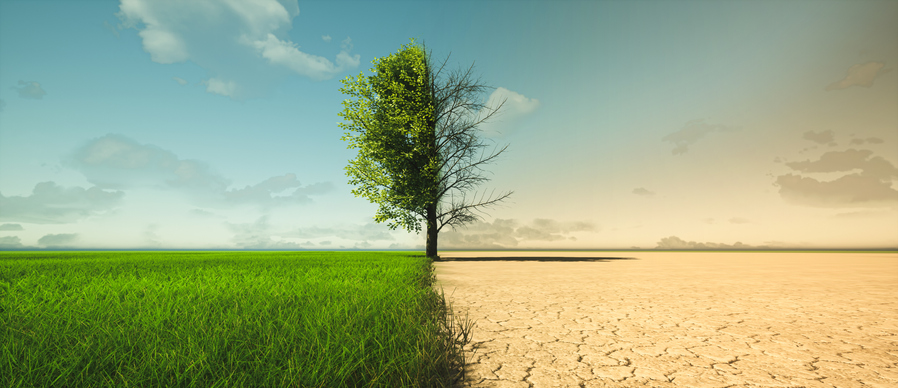
Droughts happen often in the Denver area, and current climate trends show evidence that we’ll face more severe drought-like conditions in the future. In fact, according to experts, Colorado has experienced the dryest 22 years in over 1,200 years. Without proper care, trees can quickly begin to suffer in a drought, causing stress, weakness, and premature leaf drop. Let’s look at the effects of drought on trees and what you can do to keep yours healthy.

What Happens to Trees During a Drought?

Trees need water in order to photosynthesize. During this process, a tree uses water,  sunlight, and carbon dioxide to produce oxygen and energy in the form of sugar. When a tree doesn’t have enough water, it can go into dormancy, and will not photosynthesize properly. Trees without enough water will also stop growing. The effects can vary, depending on the type of tree, since some need more water than others. Burr oak trees and Kentucky coffee trees, for example, can tolerate drought-like conditions much better than trees that require a lot of water, like a weeping willow or birch tree.

How Can You Protect Your Trees?

Your trees depend on you to give them the water they need during drought-like conditions, so they can remain healthy and strong. Here are a few things you can do to take care of them properly.

Limit Pruning

During a drought, trees are already weakened, and you should avoid anything that will cause further stress. Don’t prune your trees when they’re not receiving adequate water. Wait until spring, and make sure they’ve got plenty of moisture around the roots so that they can withstand pruning and regrowth.

Skip Fertilizer

When trees aren’t getting enough water, they may stop growing. At this time, it may be tempting to add fertilizer to encourage growth. Not only will your efforts be fruitless — they may further injure your tree. Fertilizer adds excess nitrates to the soil, which can eliminate any moisture that’s around the tree’s roots. Trees are also very smart. When under stress, they go dormant so they can survive. Encouraging your trees to grow during a drought goes against nature’s method of helping them to survive.

Add Mulch

Mulch is tremendously beneficial to a tree’s base and root structure. When it’s hot and dry outside, add a thick layer of mulch around your tree’s base. The mulch contains all sorts of nutrients that can nourish your tree, and it locks in moisture and gives the roots a chance to soak up every drop. Mulch can also protect your tree’s roots from the hot, scorching sun, keeping them at a more comfortable temperature throughout the day and night.

Water Appropriately

When rain isn’t in the forecast, it’s up to you to give your trees the water they need. The amount of water your trees need depends on the type of tree and its age. Small, newly planted trees need two to three gallons of water per day, while large, mature trees may need 20 gallons a week or more. Use a soaker hose and place it under the tree. A good rule of thumb is to water your tree at a distance from its trunk which is 2/3 of its height. Water deeply, once a week, so moisture reaches several inches below the surface of the ground.

Seasons of drought, are unfortunately, here to stay, and it’s important to make sure you know how to prepare. These simple steps should ensure that your trees remain healthy and strong, so they can continue to grow and thrive, no matter what conditions Mother Nature decides to bring to Denver. If you’d like to learn more about how to care for your trees in Denver, contact us at American Arbor Care today.

4 Threats to Your Lawn’s Health This Summer in Denver
americanarbor August 15, 2022

This is the season when your yard is at its greenest and most flourishing. Taking careful steps now for the treatment and protection against weeds and pests for your landscaping in Denver will ensure that your lawn looks lush throughout the rest of summer. The scorching heat of July makes some treatments, such as fertilization, unavailable, so it’s best to act in the next two or three weeks.

Broadleaf Control

Different in appearance and biology than normal turf grasses, broadleaf weeds are easy to identify and control without causing damage to surrounding vegetation. After your spring pre-emergent application of broadleaf weed control, to prevent seed germination, it’s time for the first of three rounds of balanced fertilization applications. Also, post-emergent spot spray treatment of lawn weeds that had already sprouted will continue.

Japanese Beetles

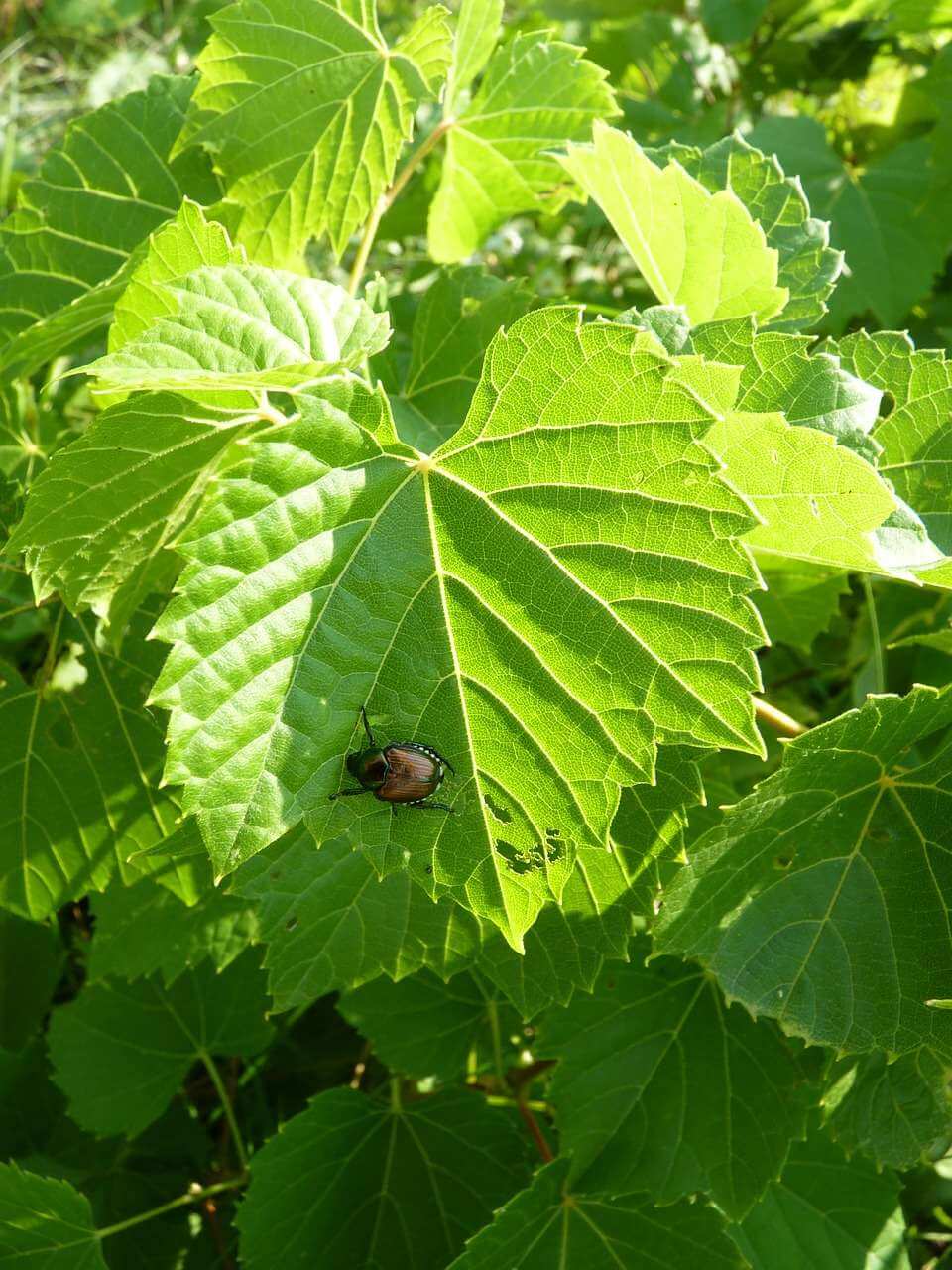
Keep an eye out for grub activity in your lawn at this time of year, particularly Japanese beetles. They are an invasive species with no effective natural enemies and voracious appetites for hundreds of different plant species. Metallic green with copper-colored wings, these insects emerge from the ground and begin feeding on surrounding plant life in late June or early July. Before that time, females will burrow several inches into the ground after mating to lay their eggs. They are attracted to damp, grassy areas with loose soil, so irrigated turf lawns are in danger of infestation. The grubs spend ten months developing and feed on the roots of turf grass, which causes the grass to lose its ability to absorb water. The result in the summer months is unsightly dead patches of lawn. These beetles can be controlled by properly-timed soil applications by lawncare professionals during the grub stage; the earlier any damage is noticed, the faster their destruction can be prevented.

Ascochyta Leaf Blight

Another potential lawn problem during this season is a plant disease called ascochyta leaf blight. It causes large swaths of turf to brown and die, and may appear as drought-stricken conditions at first. Ascochyta infests lawns quickly, however, and causes damage faster than drought. Grass that has been wet and then subjected to extreme heat is most at risk of infection, especially after a yard mowing. There are no necessary disease treatments for ascochyta; the best course of action is to over-fertilize the lawn, encouraging the turf to outgrow the blight, and to avoid mowing during wet weather to prevent its spread. Your expert local landscapers can help you select and apportion the correct type and amount of fertilizer for your turfgrass.

Necrotic Ring Spot

fungal disease that targets the roots of turf grass, necrotic ring spot thrives all across the country and is easily confused with other patch diseases. Circular areas of dead grass can begin to appear two to three years after a lawn is put in, though the symptoms intensify in the hottest months of the year, July and August. NRS can be eradicated with professional fungicide application and by taking good care of your turf by using properly prepared soil, overseeding infected patches, and not over watering.

American Arbor Care is your total Denver lawn care and fertilization specialists, offering all the services you need to protect and maintain the health and beauty of your landscape. We’re happy to answer any questions you may have about your lawn! Please call us at 303-639-8584.

Denver Tree Pros Recommend Adjusting Your Sprinkler Settings for Summer
americanarbor August 15, 2022

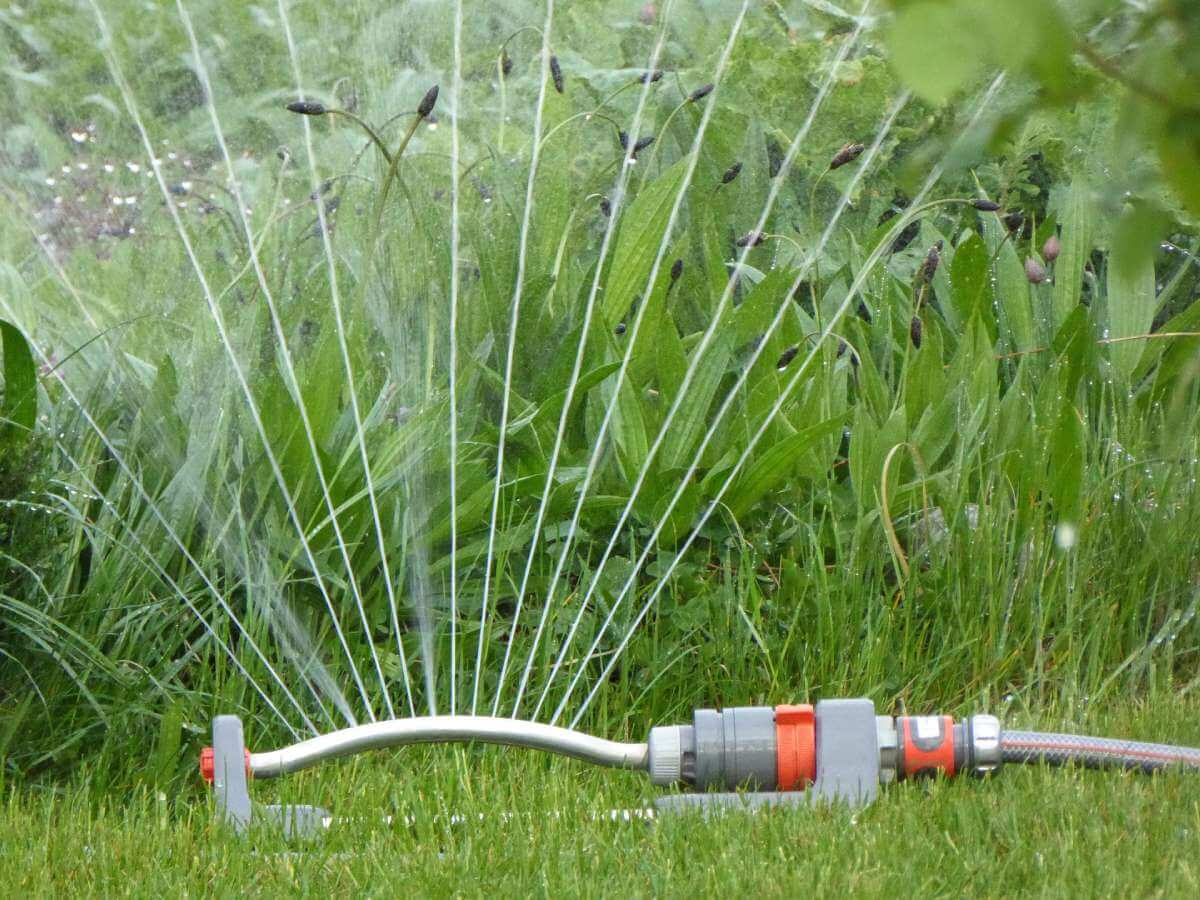
The height of summer is approaching, and with it comes skyrocketing temperatures. 2016 is already on track to be the hottest year on record, as Denver’s multiple days of 90-to-100 degree temperatures can attest to. Once the city consistently clocks in above 85 degrees, it’s important to adjust your sprinkler clock settings to maximize zone watering times. Controlling when and how much you water will save your Denver landscaping, as well as help you conserve resources and energy. The goal is to keep your yard healthy while using as little water as efficiently as possible.

Watering Zones
Most modern irrigation systems use a controller to regulate the length of time and amount of water used. This controller is an automatic timer that responds to the watering schedule you input, so it’s important to pay attention to weather conditions and make frequent adjustments accordingly during each season. Sprinkler systems in Denver are divided around your yard into areas called “zones.” Each zone has groups of plants with watering needs that differ from the other zones. Specific types of irrigation systems and irrigation system heads service specific zones. One to two inches of water is the ideal amount, depending on the soil structure, although areas such as the lawn need more frequent watering than trees, shrubs, or groundcover plants. Know your zones and what each one needs.

Irrigation Scheduling
To establish and encourage a healthy lawn and garden, every area needs to be watered regularly and evenly according to its needs. Having and maintaining an accurate moisture level will keep you from over- or underwatering, which could waste water and harm plants. Determining how much water each zone needs can be a trial and error process; consulting with a landscaping professional can help you set up the proper irrigation system for your yard. As a general rule of thumb, watering early in the morning during the summer is preferred. This allows the moisture to penetrate the soil and get to the roots before the sun causes it to evaporate. Watering during the day is much less effective, as it merely gets the plants wet and doesn’t provide enough time for the roots to absorb the water. Set your sprinkler clocks for early morning watering, but not for dusk or the evening. Photosynthesis can’t occur if the water has already passed through the root system.

Choose Efficient Systems

Expert landscapers and irrigation installers will know which sprinkler systems work best for the zones in your yard. There are low flow systems (drip lines, micro sprays) and high flow systems (fixed spray, bubbler), each designed to maximize the proper use of water. If you start with the right tools and keep a close eye on your equipment settings, your yard should continue to flourish even through the dog days of summer.

At American Arbor Care, we offer professional landscape renovation and irrigation services, as well as overall lawn care and tree and shrub health. Our experts can help you establish and maintain a healthy yard you can be proud of. Give us a call at 303-639-8584 to schedule an appointment and get started on your next project.

Dry Patches in Your Mid-Summer Denver Landscaping
americanarbor August 10, 2022

How is your lawn? The peak of summer heat is here and we are seeing lots of dry patches in yards. The summer season brings about glorious days of warm weather and outdoor activities that keep us outside. But scattered rain and hot weather also show us exactly where our sprinkler heads are hitting and where they aren’t. Everyone’s grass is stressed. Below are some tips and procedures that can assist you in making and keeping your Denver landscaping healthy throughout the hot summer season.

LIMIT WATER
Unfortunately, after (or during) rainfall, many people still irrigate their lawn. One collective misconception about maintaining grass in extreme heat is the necessity to overwater. Turf grasses do better managed on the dry side rather than wet. When soil is constantly wet, it creates problems for plants and soil organisms alike. The roots will be deprived of oxygen and may become more susceptible to disease because diseases thrive in wet conditions. In general, the drier the grass and soil, the less disease there will be.

Water deeply and infrequently. Water deeply to wet the entire root zone, and then do not water again until the grass is dry. To determine the next watering time, simply eyeball it. If it starts to look dry, then water. And if you have brown spots, water the hot spots (spots that get dry faster than the rest of the lawn) and then wait for the rest of the lawn to dry out to water the entire lawn. Do not water your grass daily. Lawns need only one inch of water per week, including rainfall.

THE ONE-THIRD RULE
When deciding on the correct height to cut your grass, it is important to remember the one-third rule:  Never remove more than one-third of the grass height at one time. By doing so, the lawn is kept cooler, because less plant tissue is removed. Grasses actually benefit in the heat of the summer by setting the blade higher. For example, if your lawn is normally cut at 2.5 inches, increase it to 3 inches in the heat of summer.

WHEN IN DROUGHT
Resist mowing wet grass, because you are going to cause clumping. But also avoid mowing the lawn during drought stress too. Dry lawns under drought stress are limited in their ability to recover from mowing and can be damaged further. So the best time to mow your grass is the day after a rainfall – or after irrigation day. The grass will not have visible water on it, but it is also not too dry.

American Arbor Care offers professional tree, shrub, lawn, and landscape maintenance services across Colorado. Our services include tree and shrub pruning (and removal), insect and disease management, tree planting, fertilization, weed control, stump grinding, mulching, consultation, landscaping, free estimates and more. Call us today at 303-639-8584 to get more information about the dry patches in your mid-summer lawn.  

Aphid, Mite and Other Treatments from Your Tree Service in Denver
americanarbor August 7, 2022

Now that spring is in full swing, caring for your landscaping is a top priority. With the warmer weather and nicer days (minus the exception of those last few snow storms trying to hang on from the winter), it is a great time to work on making sure your plants, shrubs and more are at their best. May is the ideal time to start treating your landscaping with aphid and mite treatments. In addition, it is also the time to use elm leaf beetle, elm leaf weevil and elm leaf minor treatments as well. Learn more about aphid and mite damage and treatments and other landscaping tips to prepare you this spring.

Aphid/Mite Damage and Treatments

Aphids and mites are common pests that can create wilting plants in your yard. While they are very host specific, there are over 200 species in Colorado alone. In some cases, it can make it hard for newer plants to grow. They typically will suck out all of the nutrients by feeding on the leaves and sucking the sap out for themselves. They are small, shaped like a pair and are typically yellow, green, black, white or orange. While aphids can be seen, mites are much harder to see because of their small size. They typically feed on plants and in some cases, animals and people. The best way to keep aphids from destroying your plants is to take on preventative measures. You can spray treatments on your lawn and landscaping this spring to avoid an infestation. Be cautious to look out for the warning signs to make sure your plants are not damaged by aphids. Learn more about how to identify and get rid of aphids.

Elm Leaf Beetle, Weevil and Leaf Treatments

Elm leaf beetles are long in shape, have wings and are yellow in color. When elm trees have leaves that turn brown, or are losing leaves before the normal season, it is a sign that there is potentially an elm leaf beetle problem. Often times, elm insects and their feeding are the culprit of premature leaf drop. Elm leaf weevils are different than beetles. Smaller in size, these pests typically eat holes in leaves right around spring. In addition they lay eggs that hatch in the fall, leading to further damage. By spraying and treating your plants now, you can prevent damage.

Other Landscaping Tips

As spring has arrived, make sure you take time to care for your landscaping. Remove old mulch and re-mulch one to three inches around your plants. Make sure you leave space around the base of the plant so mulch is not right up against it or packed down tightly. Make sure you work with a local landscaping company and arborist on pre-treating your lawn and plant beds to avoid insects like aphids, mites and elm leaf pests.

For help caring for your plants, landscaping and trees, American Arbor Care has you covered. As you plan to enhance your landscaping, read more about spring tree fertilizations and insect treatments via soil injection for your Denver landscaping. Now is the best time to treat your plants, shrubs and trees to keep them in the best condition for spring. To see how we can help you, contact American Arbor Care in Denver, CO today.

The Best Shade Trees to Keep Your Home Cool in Summer
americanarbor August 4, 2022

Bur Oak

The bur oak is large and majestic, with vibrant green leaves and dark grey bark. These trees can grow 60 to 70 feet tall with a canopy that reaches nearly 70 feet in width. They’re extremely tolerant of different soils and climates, and they grow at a moderate rate. To encourage your bur oak to grow more quickly, water frequently and fully.

Catalpa

The catalpa tree is large with a unique shape. Its branches spread wide, up to 30 feet, and the leaves are heart-shaped. These trees can grow to  over 60 feet tall, and they produce stunning orchid-like flowers in spring. They tolerate droughts well, and make a lovely addition to your landscaping.

Eastern Redbud

The Eastern redbud tree is a large and hardy tree that provides a canopy composed of heart-shaped leaves. In the springtime, small, pink buds bloom and produce bright flowers to enhance the look of your yard. These trees grow up to 30 feet tall, they do prefer a slightly protected site for the Denver area. To keep yours healthy, water it regularly and keep a thick layer of mulch around its base.

English Oak

The English oak provides dense shade, with a round top made of dark green leaves. They can grow up to 60 feet tall, providing plenty of shade in your yard for cooling off during summer picnics and parties. In the fall, the leaves turn brown and can linger on the tree throughout the winter months. English oak trees are so majestic that they are rumored to have been used to build King Arthur’s table. 

Kentucky Coffeetree

The Kentucky coffeetree, named after its coffee bean-shaped pods, is considered both a shade tree and an ornamental tree. They grow up to an impressive 40-50 feet in height and the canopies reach 50 feet in width. In the spring, Kentucky coffeetrees produce delicate flowers that are greenish-white, adding both shade and curb appeal to your property. They’re very hardy trees that are drought-resistant and able to tolerate most soil types.

Tulip Tree

Tulip trees grow to heights of 90 feet, and reach widths of up to 45 feet, making them an excellent choice for shade during the summer months. Named after their tulip shaped flowers, these trees need a lot of space to grow, and their tulip-shaped leaves turn a beautiful golden-yellow in autumn. They prefer fertile soil and plenty of moisture.

Western Hackberry

The Western Hackberry is a drought tolerant tree that grows very quickly. It’s native to Colorado, and can reach heights of 50 to 70 feet at maturity. Its oval shape provides plenty of shade, and its fruit attracts many species of birds. Select this type of tree for your yard to add shade and wildlife to your property.

White Oak

White oak trees are large, majestic, and extremely hardy. They reach impressive heights of up to 80 feet, and can tolerate most soil types. In autumn, their leaves turn brown or bright red before gently falling to the ground. The wood from these trees has been historically used to build all sorts of interesting items from whiskey barrels to enormous ships.

Denver residents have a great variety of trees at their fingertips, and it can be hard to narrow down and select the right shade trees for your yard. To learn more about Denver trees, contact us at American Arbor Care today.

Denver Tree Care Encyclopedia: Magnolia Trees
americanarbor August 4, 2022

What Does a Magnolia Tree Look Like?

There are many different species of magnolia trees, but in Denver, saucer magnolias grow best. They produce large, aromatic flowers that are can be white or pink. The leaves are long, smooth and shiny, and they grow up to six inches in length. The flowers emerge in early spring or summer, but it’s not uncommon for new growths to bloom again in the fall. 

When autumn arrives, magnolia leaves turn reddish brown and fall to the ground, leaving a magnificent branch structure that’s interwoven and thick.  Birds especially love to use them for nesting.

Where Does it Grow?

Magnolia trees grow all across the country, and can thrive in just about any climate. In Denver, the most common species is the saucer magnolia, since it can withstand harsh winters and brutal wind. In fact, the saucer magnolia grows across Colorado’s Front Range, since it’s so hardy and low maintenance. 

How Big Does it Get?

Magnolias can be pruned to grow as shrubs or trees, and they can live up to 80 years, if well-maintained. Shrubs can be pruned to be around 15 feet tall, while trees can grow up to an impressive 80 feet in height, in the native locations. They’re especially nice for landscaping purposes, since you can prune your magnolia to fit your space perfectly, and the sweet-smelling blooms make your yard look elegant and beautiful.

What Does it Need to Grow?

Magnolias are very hardy trees and they adapt well to their surroundings. They can tolerate most climates and are extremely resistant to frost and wind damage. If you want to prune your magnolia, do so after it’s done blooming, and only fertilize if your tree has yellow leaves or looks unhealthy. 

What Type of Soil Does it Need?

Magnolias can thrive in most soils, but they prefer well-drained soil that’s rich in organic matter. They can also tolerate soil that’s composed of clay, loam or sand.

How Much Light Do They Need?

Magnolias prefer full sun, but varieties like the saucer magnolia can thrive in partial shade as well. If your magnolia grows in an environment that experiences frost, it’s a good idea to plant your tree in a protected location like near your home or other warm structure. If a late frost is expected, and your tree isn’t very large, it’s recommended that you cover the leaves. Otherwise, it may not bloom in the spring.

Are They Native to Colorado?

Magnolia trees are native to North America, but only certain species can tolerate the dry, harsh winds and frosty elements of the Front Range. Saucer magnolias are especially resilient, and they can grow to be deciduous shrubs or small, round trees. Eight species are native to North America, including the  Southern, starr, loebner, sweetbay magnolia and cucumber tree. 

Interesting Facts

  • The two oldest trees on the White House grounds were planted between 1829 and 1837. These Southern magnolia trees were planted by Andrew Jackson in memory of his late wife.
  • Magnolia tree fossils date back over 100 million years, and they’re believed to be the earliest known flowering plant. 
  • Magnolia trees rely on beetles for pollination, since the trees actually date back earlier than bees.

If you’d like to learn more about magnolia trees, contact us at American Arbor Care today. We’re happy to teach you all about magnolia trees and which ones will grow best on your property in Denver.

When was the last time you had a landscape assessment with a Certified Arborist?

Schedule your free assessment today!