
Stump Removal: Effective Techniques for Denver Homeowners
americanarbor October 30, 2024

When a tree falls or is removed, oftentimes, a stump is left behind. There are plenty of reasons to want a stump removed from your property, but most homeowners don’t have the tools or knowledge to do it themselves. In most cases, we recommend a professional to handle your stump removal project. That way, you can avoid accidents and you can rest assured that the entire stump will be taken care of.

Why Stump Removal is Necessary

A stump can be an unsightly part of your landscape, and removing it can add precious square footage to your space. Stump removal creates a better looking lawn that’s easier to mow and work with. 

Aside from appearance, many homeowners opt to have stumps removed because they can be a host for harmful pest infestations and diseases. Without proper removal, these pests and diseases can affect the surrounding plants in your yard. Most often, homeowners have their stumps removed to improve their curb appeal and keep their lawn looking and growing its best.

Stump Removal Techniques

There are several techniques that arborists use to remove stumps. Although many techniques can be tried at home, we never recommend that you DIY this project. Stumps can be stubborn to remove, and it requires proper tools and chemicals to get the job done safely, efficiently, and effectively.

Manually

If you want to remove a stump yourself, you can do so with a chainsaw, shovel, and an axe. This method is best for smaller trees and those that have been affected by disease. Simply dig out the base of the trunk until the roots are exposed, chop them off with the axe, and carefully uproot the stump.

Chemically

Chemically removing a stump is very effective, but it’s a job that’s best left to the pros. There are certain environmental hazards and local restrictions that must be considered before you opt for this method. Your local arborist will have access to the right chemicals and will know how to apply them correctly without posing a danger to your family or your lawn.

Grinding 

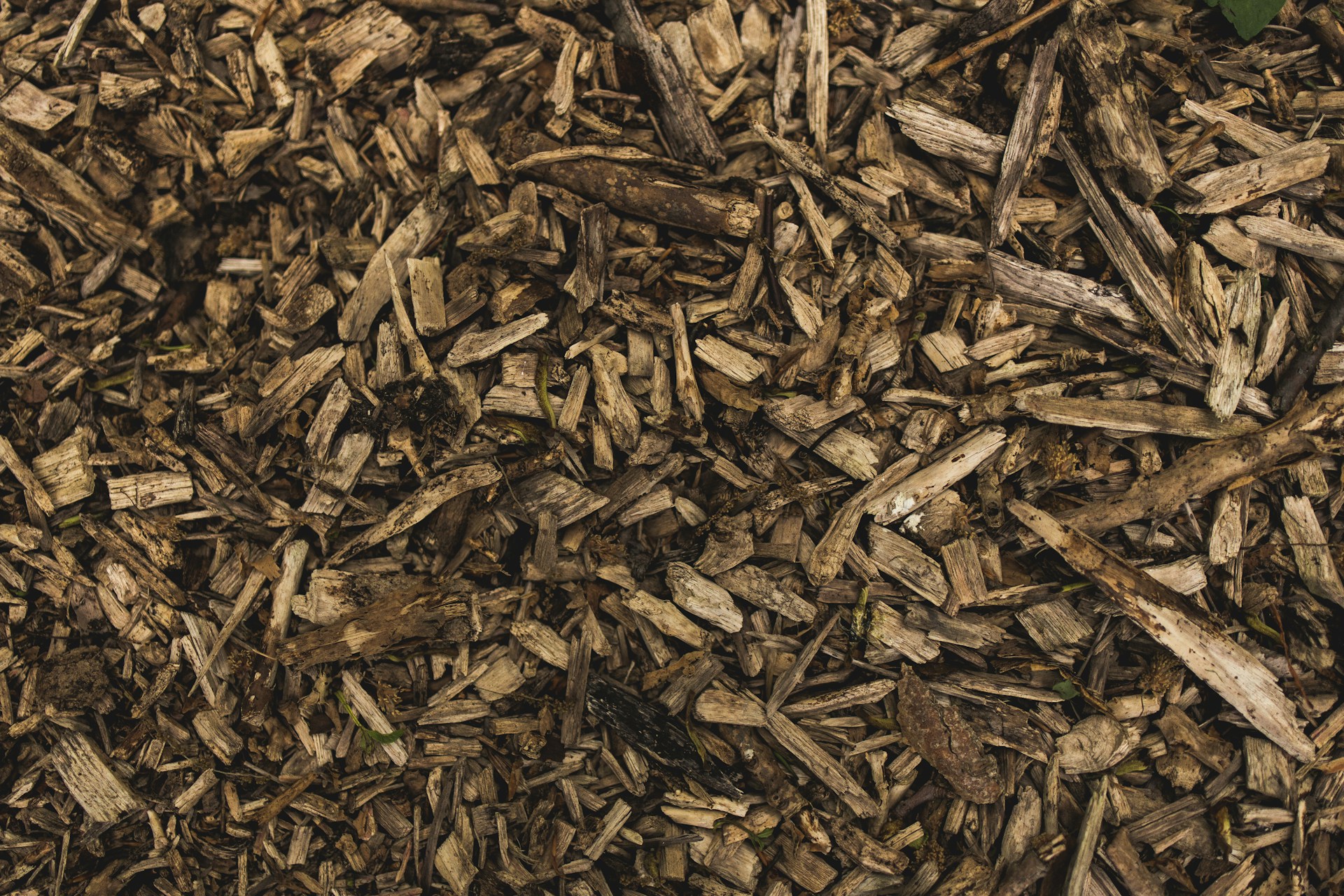
Grinding a stump is the quickest way to remove it, but it requires the right tools and skills. A stump grinder makes quick work of digging up an old stump, roots and all. Best of all, this method creates compost out of your old stump, which can be used for mulch around the plants in your yard. Stump grinders are available to rent at your local hardware store, but it’s best to leave this job to the pros. They know how to use the equipment safely and effectively.

Rotting

Rotting is a method where an arborist creates holes in your stump and fills them with a chemical that helps the stump decompose more quickly. Then, they pour water in the holes and chip away pieces of stump that have rotted away. Once the stump is removed, the area is filled with soil so that new grass or plants can grow. This method takes a lot of time, but it works very well to remove an entire stump.

Burning

Some people choose to burn their stumps as a method of removal. Although it works effectively, it’s not the most eco-friendly way to remove a stump, and it’s certainly not the safest.

Trust American Arbor Care With Your Stump Removal

Stump removal is a common service that most arborists perform. At American Arbor Care, we have the tools and skills to remove stumps of all shapes and sizes in the Denver area. If you’re interested in having a stump removed from your property, call today to schedule an appointment.
Mulching: Organic Techniques for Denver Landscapes
americanarbor November 6, 2024

Organic Mulching Techniques for Denver Landscapes

Mulching is a landscaping technique that uses organic or inorganic materials to cover the areas around a tree or plant’s base. There are a number of different reasons to do this, and the materials you choose can greatly benefit the soil.  Here, in the Denver area, we experience a very dry, arid climate, and many plants suffer from a lack of moisture. Mulching can help protect your plants from drought-like conditions so they continue to thrive throughout the year.

Why is Mulching Important in Denver?

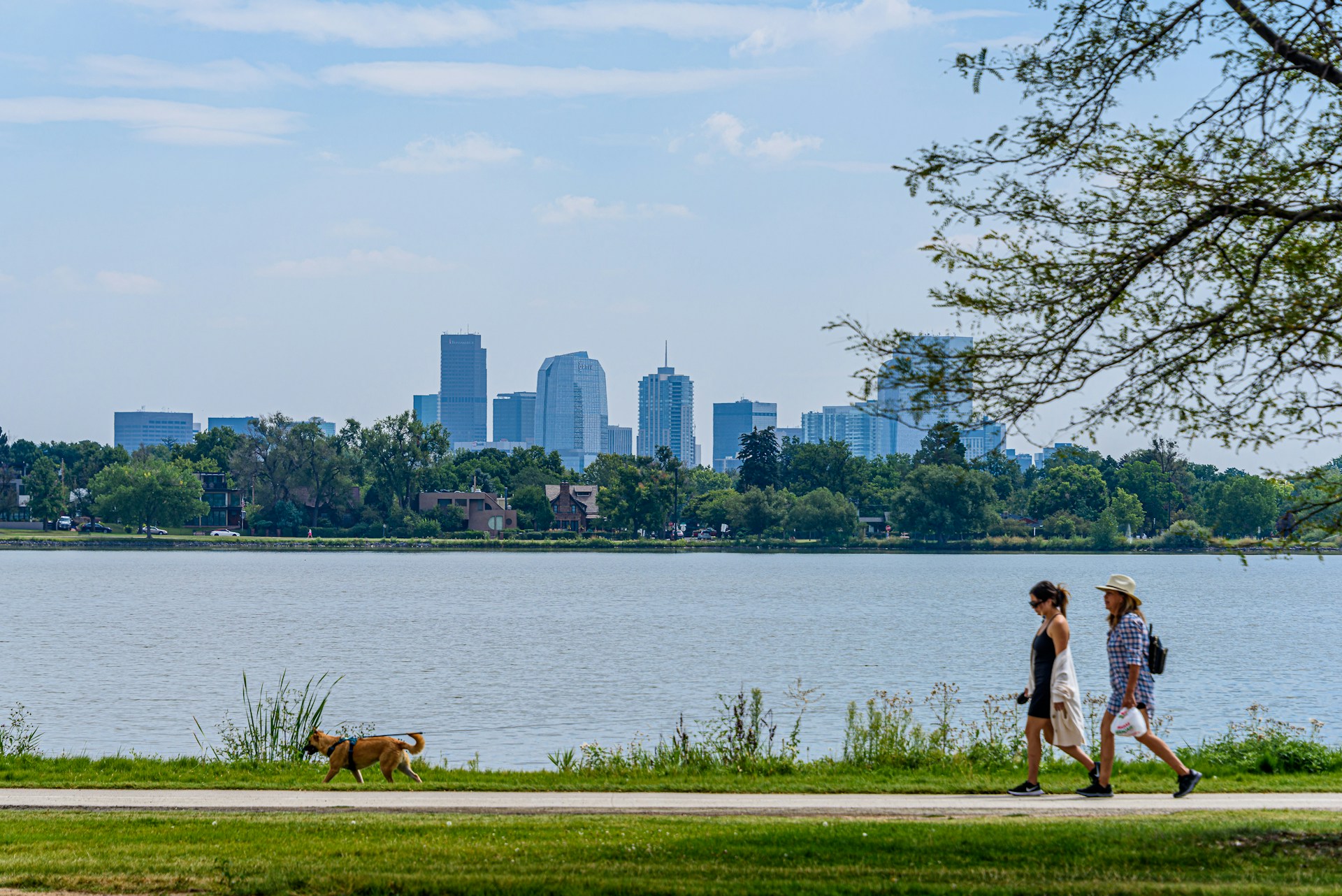
Mulching is an important component of any landscape, but especially in places where the soil needs a boost. In Denver, the air is dry and cool, leaving little moisture in the soil for plants to soak up. Mulch helps to retain moisture so that plant roots get a chance to access it, even when the weather is dry. Mulch also keeps the soil from getting too hot in the winter and too cold through the summer months. It acts as a layer of insulation for a plant’s delicate roots, so the plant can thrive—even during extreme temperatures.

The Correct Mulching Technique

Mulch comes in a variety of organic and inorganic materials. Although gravel and landscaping fabric have their place, it’s always best to choose organic materials for your landscape. Most homeowners opt for shredded or chipped tree materials, which can be spread across the surface of your soil. Other options include grass clippings, leaves, pine needles, and straw. 

When mulching your landscape, it’s important to follow the right technique. Improper mulching can damage your plants and trees, leading to disease, infestation, and even tree death. Start by spreading mulch around the base of your plants, and make sure the layer is two to four inches deep. If you’re mulching around trees, spread the material around the base of the trunk and out to the drip line, if possible. Avoid creating a “volcano,” where mulch is piled up around the tree’s trunk. Instead, leave some space where the trunk meets the earth, so the root flare is exposed. 

What Plants Should Be Mulched?

Ideally, homeowners should always mulch around the bases of trees and shrubs. Many other perennial plants, like hostas, and especially clematis, can also benefit from a layer of mulch. Clematis is notorious for loving the sun, but its roots prefer a cool place to grow. Mulching provides a thermal and water-retaining place for roots to grow, and it prevents many weeds from taking over your landscaping space.

Some plants that trail or spread may not benefit from mulching. Added mulch may make it more difficult for the plant to grow.

How Much Mulch Should You Use?

In most cases, it’s best to spread mulch in a layer that is two to four inches thick around the base of your plants. The width should reach out to the drip line of your plant or tree, if possible. This protects the roots from extreme temperatures and retains moisture for the roots.

How Often Should You Re-Mulch?

Mulch breaks down over time, leaving nutrients to soak into your soil. Expect to re-mulch every year or every other year to keep an even layer around your landscape. Check the mulch each year to determine whether you need to add more.

Trust American Arbor Care With Your Denver Landscape

Are you interested in adding mulch to your Denver landscape? Trust the pros at American Arbor Care to protect your plants, enhance the quality of your soil, and make your landscape beautiful. We’ll help you determine the best mulch for your landscape and budget. Call today to schedule an appointment.
The 8 Best Drought-Tolerant Trees for Denver Landscapes
americanarbor November 6, 2024

There are thousands of different species of trees, and they don’t all thrive in every climate. Over time, certain trees adapt to certain climates, where they grow and thrive. To understand what trees grow best in Denver, it’s important to understand the region’s climate and typical weather conditions. Let’s look at the 8 best drought-tolerant trees to grow in Denver landscapes and what makes them the best choice.

Understanding Denver’s Climate

Colorado experiences a semi-arid, high-desert climate. This means that the air is typically very dry, and the region commonly experiences droughts. The local weather in Denver is influenced by the Front Range and Rocky Mountains, giving the area four distinct seasons each year. Spring can bring snow or rain, while winter storms can produce plenty of snow. However, the storms are short-lived, and the snow often melts very quickly. On average, Denver sees around 15 inches of precipitation each year. 

Because Denver’s climate is dry, trees in the area must learn to thrive in drought-like conditions. Luckily, many trees have adapted over the years to grow healthy and strong in Colorado.

Why Are Drought-Resistant Trees Important in Denver?

Drought-resistance isn’t just a means of survival for trees. Although it affects how well a tree can survive, its drought-tolerance also impacts the environment in your yard as well. Trees that have grown accustomed to Denver’s climate help to build better, more resilient forests, and they reduce the amount of water that landscapes need to thrive. This also saves homeowners time and money in watering costs and maintenance.

By planting drought-tolerant trees, homeowners can also avoid having brown patches in the yards when droughts occur and other plants begin to die.

8 Best Trees for Drought Resistance

There are many different drought-tolerant trees that thrive in Denver landscapes. Here are eight of the best trees to plant in your yard.

  1. Hackberry: The hackberry tree is extremely drought-tolerant and resilient through all kinds of weather conditions, including strong winds, high temperatures, and flooding.
  2. Bur Oak: Strong and mighty, the bur oak tree can withstand drought conditions with ease. Their massive trunks and impressive canopies look great in backyards and public spaces.
  3. Hawthorn: They grow in a wide variety of soil conditions and types, and they don’t require a lot of water to survive. This makes them the perfect trees for Denver landscapes.
  4. Kentucky Coffeetree: These trees can withstand long drought periods in the Denver area. Newly planted saplings do require consistent watering for at least two years until they’ve grown and become established in the soil.
  5. Ponderosa Pine: Ponderosa pine trees tolerate droughts easily, thanks to their extensive root systems. Their tap roots can grow far into cracks and tiny spaces to find water. On top of that, they simply don’t need a lot of water.
  6. Honey Locust: They’re very drought-tolerant and can withstand irregular watering techniques. However, young saplings need consistent watering as after they’re planted until they are established. 
  7. Upright Junipers: Although they’re drought-tolerant, it’s best to water your young saplings at least twice a week. Do this for the first few months and continue to water your tree during droughts to keep them healthy and strong over the first few years of its life.
  8. Bristlecone Pine: Bristlecone pine trees can tolerate droughts by entering a dormant state until their roots sense moisture again. They also keep their pine needles during periods of drought to continue photosynthesizing.

Watering Practices for Drought Resistance Trees

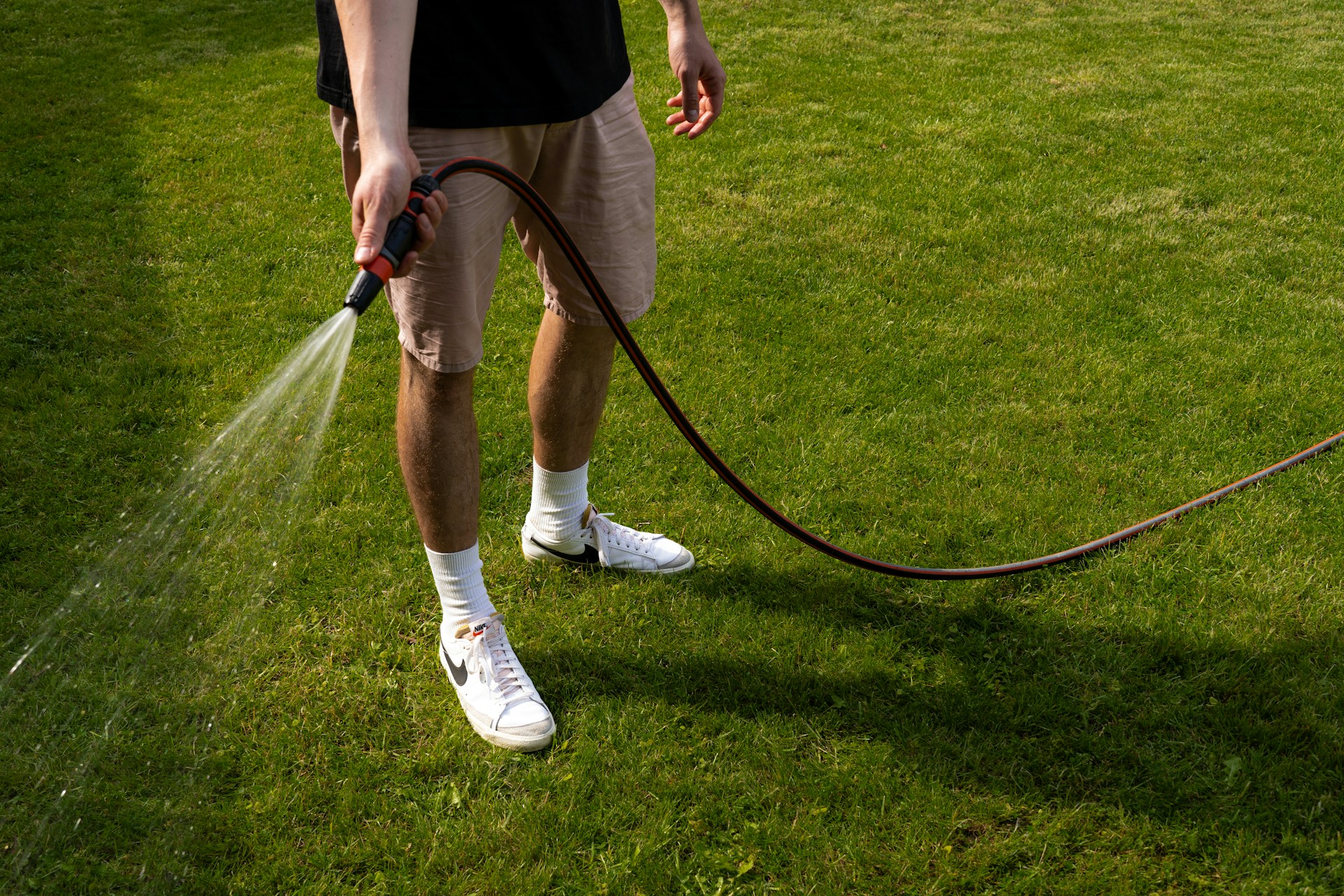
Drought-resistant trees require deep, slow watering techniques. Use drip lines or soaker hoses to ensure that the roots get a constant supply of water. Place mulch over your drip line to keep the water from evaporating before it gets a chance to soak into the soil. This is especially important during periods of drought, when your trees may need extra water.

Keep Your Trees Healthy With Help From Your Trusted Local Arborists

At American Arbor Care, we’re passionate about keeping Denver landscapes looking healthy and beautiful. If you’re interested in learning more about drought-resistant trees for your yard, contact us today. We’d be happy to chat about the best choices for your property.

Creating an Effective Lawn Care Schedule for Your Denver Landscape
americanarbor November 15, 2024

Do you want to have the greenest, thickest lawn in the neighborhood? Most homeowners think that in order to get a lush lawn, they have to put in hours of labor each week and spend hundreds of dollars on supplies. Luckily, with a little consistent effort, your lawn can be the envy of the neighborhood. Let’s look at how you can maintain a lush Denver landscape by creating an effective lawn care schedule.

The Importance of a Lawn Care Schedule

The best way to keep your grass looking its best is by doing a little bit each week to stay ahead of potential problems. Throughout the year, your lawn’s watering, fertilizer, and mowing needs change, and it’s smart to create a maintenance schedule that works with its changing needs. That way, your lawn stays healthy all year long, and you won’t have to start over from scratch each spring. A consistent lawn care schedule will also stay ahead of common issues caused by pests and disease.

What to Include in Your Lawn Care Schedule

If you want the lushest, greenest lawn in the neighborhood, create a watering, mowing, and fertilizing schedule that meets its needs throughout the year. Best of all, you won’t have to invest a lot of free time into your landscape.

Watering 

Water your lawn about one inch per week, depending on how much rain you get and whether you’re in a current drought. The rule of thumb is to water less often but more deeply to encourage roots to grow healthy and strong. The best way to do this is to invest in an irrigation system that waters your grass on a schedule. Look for one with a built-in sensor that can determine how much water is needed and for how long. Then, all you have to do is set it up and it will take care of your lawn’s watering needs each week.

Mowing

You don’t have to mow all year. In the winter months, your grass will be dormant, but in the spring, it needs to be mowed once or twice a week. Stick to the 1/3 rule: never cut more than 1/3 of your grass blades. If your lawn is large enough, purchase a riding lawn mower, and if you’re short on time, hire someone to mow your lawn each week.

Fertilizing 

Fertilizing your lawn is a very important, but often overlooked step toward having a thick, lush lawn. You only have to do it once or twice each spring, and again in the fall. To get the best results, divide your lawn into sections and fertilize one section per week until the whole yard is covered. This will provide the nourishment your grass needs to grow healthy and strong.

Seasonal Considerations

Denver experiences all four seasons, and your grass will have different needs throughout the year. In springtime, your grass is actively growing, and it will need extra care. Mowing, fertilizing, and watering are especially important during these months. During the summer and fall, watering may be more important, since the climate is dry and warm. In wintertime, your grass won’t need as much care, but it still may need to be watered during drought-like conditions.

How Much Time is Needed? 

Your lawn’s needs will change throughout the year, and the time you spend on it can vary. If you have a small yard, you won’t need to spend as much time watering, mowing, and fertilizing your landscape. If your yard is large, you may want to save time by hiring a professional to take care of your landscaping needs. You can also save time by investing in an irrigation system that automatically waters your lawn each day.

Schedule a Consultation with American Arbor Care

Do you want to win the award for the best looking lawn on the block, but you don’t have a lot of time to invest in its upkeep? Contact the pros at American Arbor Care today and we’ll help you achieve the greenest, lushest lawn without having to lift a finger. Schedule a consultation and we’ll determine the best maintenance schedule for your landscaping needs.

Reasons to Hire a Professional Christmas Light Installer  
americanarbor December 2, 2024

When it comes to Christmas holidays, every household has its own traditions. Decorating the house in the most special way is often one of them. Beautiful Christmas lights create a special atmosphere and make your property stand out from the crowd. However, hanging them is always a complicated process.

To make things easier on you and your family, you may want to consider hiring a professional Christmas light installer. Instead of climbing ladders and putting your health at risk, you can achieve perfect results in half the time.

Here are a few reasons why you may want to consider hiring a professional Christmas light installer this December.

Safety First 

Every year, more than 18,000 Americans visit the emergency room because they get hurt while hanging Christmas decorations. Some of the most common issues that contribute to their injuries are:

  • Slippery or icy surfaces around the work area
  • Faulty light strings or extension cords
  • Exposed or frayed electrical wires
  • Improper use of tools or equipment
  • Poor visibility due to low light conditions
  • Lack of proper protective gear (e.g., gloves, non-slip shoes)
  • Loose or poorly secured decorations falling during installation

Professional Christmas light installers have all the necessary equipment and safety gear to complete the project without risking their health. These experts undergo special training that allows them to avoid emergency situations.

Time-Saving 

While it may be fun to decorate your home, it’s always frustrating when the project takes forever. Unlike Christmas tree decoration, hanging the lights is a lengthy process that often involves working outdoors in poor weather conditions.

Some people can spend hours getting the lights just right. That takes a good chunk out of a December weekend, which can otherwise be spent holiday shopping or spending time with family and friends.

Since professional installers have the right equipment and training, they can finish hanging the lights quickly. These experts will also check to make sure everything is secured properly so you don’t have to worry about rehanging fallen elements on Christmas Eve.  

Professional Appearance 

While you may be able to create a professionally-looking Christmas light display, it’s likely to take you a lot of time. A professional installer has experience with creating balanced and visually appealing layouts. They can match the light arrangement to the style of your home and give it an extra holiday charm.

Professionals also use advanced techniques to prevent issues like sagging lights or uneven spacing. They understand how to highlight key areas of your home, such as rooflines, windows, and landscaping to create an elegant presentation.

While professional installers are handling your Christmas decorations, you can always share your preferences and see your vision finally come to life.

Peace of Mind 

No matter how much fun the holiday season is, the preparations are always stressful. Trying to get the decorations just right can take all the excitement out of your Christmas traditions.

A professional installer allows you to avoid stress and helps your house look just perfect. Delegating this part of your holiday prep to a professional can give you much-needed peace of mind.

Taking a Smart Approach to Christmas Light Installation 

For many households, beautiful Christmas lights are an integral part of the holiday. However, the installation process can be dangerous, frustrating, and time-consuming.

By choosing to hire a Christmas light installer, you are delegating the project to the professionals and getting the best possible results. Besides a perfectly decorated home, you get some extra time and peace of mind.

Try working with a professional installer this year. You’ll never go back to DIYing again. 
If you’d like professional installation of your holiday lights, please contact us at any time. 

Kermes Scale – What Is It? How to Identify It? How to Treat It?  
americanarbor January 16, 2025

Kermes scale is a pest that attacks oak trees. These aggressive insects feed on the oak sap and cause serious damage to the tree. As soon as you notice kermes scale in your garden, you must take care of it immediately.

To fight this parasitic insect, you can take advantage of several methods. Learning more about the treatment options can help you make an educated decision about controlling kermes scale infestations.

Identifying Kermes Scale

Kermes scale insects are small and round. Their shell-like appearance makes them similar to the growth of gals, and many gardeners misidentify them at first.

These insects are usually around 1/8-inch in diameter and range from tan to reddish brown. Kermes scale often cluster together and create visible colonies on the host plant.

The primary target of these parasitic insects is oak trees. They usually sit near branch tips, leaf nodes, and bark crevices. Besides visible scales on the tree, the signs of infestation include:

  • Yellowing, browning,  or wilting leaves
  • Dropping leaves
  • Stunted growth
  • Excess sap on leaves or the ground beneath the tree

While kermes scale primarily affects oak species, other trees and shrubs in your garden may also be vulnerable due to sap build up causing them to not be able to photosynthesize. 

Treatment Options

Careful inspection of your plants and early detection are key to effective kermes scale treatment. You can address this challenge in several ways:

Cultural Control

If you don’t see a major infestation yet, you can start with natural methods like cultural control. Start by handpicking visible scales from the tree. Then, you can prune heavily infested branches to reduce the population and prevent the spread of scales.

Chemical Control

When cultural methods aren’t sufficient, you can try chemical treatments. Insecticidal soaps and horticultural oils can work well against kermes scale, especially when they are at the early nymph stages (before forming a strong protective shell). You need to apply these products to all affected areas and ensure direct contact with the pests.

Another approach is systemic insecticides, which is what we recommend and primarily use.. These chemicals are absorbed by the plant and delivered to the scales through the sap. While these insecticides can work well against the scales, they may also hurt beneficial insects. That’s why using them without professional assistance can be dangerous for your garden.

Biological Control

A sustainable and often effective way to battle scale is to encourage natural predators to live in your garden. Ladybugs and parasitic wasps naturally feed on scale insects and help reduce their population over time.

To attract these beneficial insects, you can plant nectar-rich flowers nearby and reduce broad-spectrum pesticide application.

Prevention Tips

The best way to fight kermes scale is to keep it from infesting your garden in the first place. Some of the most effective preventive methods are:

  • Regular Plant Inspections: Frequently check your plants, especially oak trees, for early signs of kermes scale.
  • Maintain Plant Health: Healthy plants are more resistant to pests. Water, fertilize, and prune your trees and shrubs regularly.
  • Use Pest-Resistant Varieties: Whenever possible, choose pest-resistant plant varieties for your garden. These options are less likely to attract kermes scale or other harmful pests.
  • Encourage Beneficial Insects: Create a habitat for natural predators like ladybugs and parasitic wasps in advance.

A healthy and well-maintained garden is often resistant to infestation. With the right preventive approach, it may be possible to avoid significant damage.

Managing Kermes Scale the Right Way 

Kermes scale is a small parasitic insect that attacks garden plants. Their favorite targets are oak trees. When the infestation begins, you can fight these insects by pruning, using insecticides, and attracting their natural enemies.

While kermes scale treatment is often effective, the best way to avoid the damage is to take a proactive approach. By implementing proper preventive measures, you can make your garden unappealing to this parasite.
To learn more about kermes scale and available treatments, please contact us today.

How To Prepare Evergreens for Winter
americanarbor January 28, 2025

The year-round ability of evergreens to create a warm atmosphere is priceless. However, to maintain the texture and color, these trees need some extra help. As the cold weather settles, you need to take a special approach to protecting these plants.

Although more resistant than deciduous trees, evergreens are vulnerable to heavy snow, freezing temperatures, and strong winds. Since all of these aren’t a rarity in Denver, knowing how to prepare for the cold season is key to keeping your evergreens in top shape. Let’s discuss protective measures for this winter.  

When Should I Prune Evergreens?

The best time to prune most evergreens is late winter or early spring, just before the new growth begins. During this period, the trees are dormant. So, the risk of sap loss and pest infestation is low. Meanwhile, all the pruning scars will heal quickly once the new growth resumes in the spring.

Pruning techniques can vary depending on the type of evergreen.

  • Spruce and Fir Trees: Pruning can include cutting back lateral branches to maintain shape or remove deadwood. These trees respond well to light trimming. They should never be overpruned.
  • Pine Trees: Only prune the new growth, known as “candles,” to shape the tree without harming its health. Avoid cutting back to old wood because pines do not regrow from older branches.
  • Shrubs (boxwoods or yew): Light shearing can maintain their shape, while selective pruning can improve air circulation and prevent disease.

Try not to prune your evergreens until February. Doing this could hurt your plants and keep them from growing properly next spring.

Should I Fertilize Before Winter?

The best time to fertilize evergreens is in the spring. This allows the nutrients to be absorbed and stored properly.

Late applications in fall  can encourage new growth that’s more vulnerable to winter damage. However, if you use a slow-release or time-release fertilizer, you can apply it in the late fall as well. Just make sure to do it before the first frost hits.

Over-fertilizing evergreens also poses significant risks. Excess nutrients can lead to salt buildup in the soil, which may harm roots and disrupt water absorption.

Essential Tips for Winterizing Evergreens

To survive winter, evergreens need your help. These techniques can make sure your plants are ready for growth in the spring.

Watering

Provide deep watering throughout late fall until the ground freezes. Aim for about one inch of water per week and make sure to account for rainfall. The soil should be moist but not waterlogged. Proper watering is necessary to support root hydration during dormancy.

Mulching

Mulch helps insulate the roots, retain soil moisture, and regulate temperature fluctuations. Spread 2–4 inches of organic mulch, such as wood chips or bark, in a ring around the tree’s base. Keep the mulch a few inches away from the trunk to prevent rot and pest issues.

Protecting against Winter Damage

Use burlap or plant wraps to shield smaller trees and shrubs from harsh conditions. You can consider installing windbreaks, such as temporary fences or strategically placed stakes, to reduce wind exposure.

To clean evergreens from heavy snow, brush them off gently. Shaking the branches to remove the snow can damage them.

Enjoy Healthy Evergreens This Winter 

While evergreens are strong plants, they need your help to make it through the winter. With the right approach to watering, fertilizing, and mulching, you can make sure these plants remain beautiful all year round.
If you have any questions about caring for evergreens this winter, please contact us at any time.

Rejuvenation Pruning – What Is It and How Is It Helpful?
americanarbor March 6, 2025

Rejuvenation pruning is the process of trimming back old branches and stems to promote the growth of new, healthier limbs, enabling the plant to thrive with fresher, stronger growth.

The main benefits of rejuvenation pruning include enhanced plant health, more vigorous growth, and improved flowering. While not all plants need this type of pruning, those that do often show remarkable results.

With the right technique, timing, and care afterward, you’ll quickly notice how vibrant your pruned plants become. Here’s a closer look at the process.

What is Rejuvenation Pruning?

Rejuvenation pruning is a method of cutting back old branches to help a plant grow new ones. Over time, plants can become too thick or weak and lose the ability to create new and healthy limbs. Once you remove the older stems, the plant gets a fresh start. This helps with better air circulation and sunlight exposure, which contribute to better growth.  

Two types of rejuvenation pruning are:

  • Hard pruning – cutting the plant back almost to the ground (not suitable for all plants)
  • Gradual pruning – removing one portion of the old stems and branches at a time

Rejuvenation pruning is different from regular trimming or shaping. Maintenance pruning focuses on removing dead or damaged branches to keep the plant neat, while shaping pruning helps control how a plant looks. Meanwhile, rejuvenation pruning is a more dramatic method that encourages the plant to grow back stronger.

Benefits of Rejuvenate Pruning 

Rejuvenate pruning does exactly what its name suggests. It rejuvenates older plants. Here are some of the benefits of this procedure:

  • Improves Plant Health – By cutting away dead, damaged, or diseased branches, you prevent problems from spreading. This allows the plant to focus its energy on growing healthy limbs.
  • Enhances Appearance – Over time, shrubs and bushes can become tangled, uneven, or too large. Rejuvenation pruning helps reshape the plant so it looks well-maintained.
  • Boosts Flower and Fruit Production – Old, overcrowded branches can block sunlight and reduce airflow. This makes it hard for flowers and fruit to develop. Removing these branches encourages the plant to produce more blooms.
  • Revives Aging Plants – Some plants slow down as they get older and start producing fewer leaves and flowers. Rejuvenation pruning encourages new growth.

With the right technique, it’s possible to reap all the above benefits for your garden without investing significant effort.

How to Rejuvenate Prune

The key to successful rejuvenate pruning is timing. The best time to do it is late winter or early spring before new growth begins. This allows the plant to recover quickly when the growing season starts. Here are the steps to follow:

Gather Your Tools

You’ll need sharp pruning shears, loppers, or a saw for thick branches. Always use clean, disinfected tools to prevent the spreading of disease. Then decide whether you need to do a hard or gradual prune.

Start Cutting

If you choose to do a hard prune, you need to cut the stems that are less than 1 and 3/4 inches in diameter. Cut them back to 6 to 12 inches above the ground. If you are cutting branches, do it at the base or near a health bud.  

For gradual pruning, cut 1/3 to 1/2 of the stem once and then repeat it for two to three years in a row.

Take Safety Precautions

Always wear gloves to protect your hands from thorns and rough bark. Make sure to also use eye protection when cutting thick branches.

Get the Most out of Rejuvenate Pruning

Rejuvenation pruning can be an excellent maintenance technique. If you leverage the proper approach, you can easily turn old shrubs into young and flowering plants.
For more information about rejuvenate pruning and professional assistance, please contact certified arborists at American Arbor Care. We are here to help your garden thrive.

Denver Tree Encyclopedia – Honeylocust  
americanarbor March 6, 2025

Honeylocust (Gleditsia triacanthos) is a large and beautiful tree, which is well-known for its ability to resist harsh climates. This tree drops the foliage early in the fall, which prevents it from falling victim to the early freezes and heavy snow.

Besides being resistant to harsh weather changes, honeylocust also adjusts to urban conditions. It grows well in compacted soil, doesn’t suffer from road salt, and takes heat well. However, to grow tall, the tree needs regular watering, full sun, and pruning.  

Appearance 

The honeylocust tree usually grows to be 30 to 70 feet tall with a 40–50-foot spread. It has an upright spreading canopy, which provides spotty shade. With the right care and conditions, the tree can grow around two feet per year.

Bark 

Young trees have smooth, gray-brown bark, which becomes deeply furrowed and develops interlacing ridges with age. Some varieties (wild types) have sharp thorns along the trunk, but most cultivated landscape varieties in Denver are thornless.

Leaves

Honeylocust has delicate compound leaves that can be between 6 and 12 inches long. Each one consists of around 20 leaflets that are 3/4 to 1.5 inches long. These leaves are bright yellow-green in the spring. They turn deep green in the summer and golden yellow in the fall.

Flowers & Seed Pods

This tree has inconspicuous greenish-yellow flowers, which come out in late spring or early summer. The flowers have a slight fragrance. Female trees develop long, twisted seed pods (up to 18 inches), which turn dark brown in the fall. However, landscape varieties are often seedless.

In the winter, the tree loses its leaves but its sculptural branching creates an elegant silhouette. Some remaining seed pods may hang on through winter, adding contrast to the bare branches.

Why Honeylocust Grows Well in Denver 

Honeylocust thrives in Denver for several reasons. They include:

  • Drought Tolerance: Honeylocust trees thrive in Denver’s semi-arid climate due to their deep root systems that efficiently absorb water.
  • Cold Hardiness: Well-suited to Denver’s USDA Hardiness Zone 6a, the tree can withstand temperatures as low as -10°F..
  • Heat and Sun Resilience: The tree grows well under full sun conditions, which makes it perfect for Denver’s high-altitude and sunny climate.
  • Adaptability to Poor Soils: Honeylocust trees tolerate clay, sandy, alkaline, and compacted soils.
  • Resistant to Urban Pollution: The tree boasts a high tolerance for air pollution and road salts.
  • Low Maintenance: It requires minimal pruning and care, especially with thornless, seedless cultivars.
  • Pest and Disease Resistance: Though susceptible to some pests, cultivated varieties have good resistance to many common tree diseases.

In short, honeylocust is not a picky tree. It withstands harsh conditions while looking beautiful and providing dappled shade.

How Far West Can Honeylocust Trees Grow?

The honeylocust tree grows well at elevations up to 6,500 feet. That’s why it’s well-suited for the eastern foothills of the Rocky Mountains. The higher the tree grows, the more difficult it becomes for it to thrive.

In areas above 7,000 feet, colder temperatures and heavy snowfall make survival difficult. While honeylocust can tolerate temperatures as low as -20°F, extreme mountain conditions hinder its growth. It feels the best in valleys, lower slopes, and urban landscapes.

Interesting Facts about Honeylocusts

Besides being a highly tolerant rapid grower, honeylocust is an excellent soil improver. Its fallen leaves enrich the soil with nitrogen. Meanwhile, the filtered shade creates excellent conditions for other plants to grow underneath. The wild varieties of honeylocusts that have seedpods attract deer and small mammals.
To learn more about honeylocusts, feel free to contact our professional arborists at any time.

Denver Tree Encyclopedia – Hackberry 
americanarbor March 12, 2025

Hackberry (Celtis occidentalis) is one of the few trees that are native to the state of Colorado. This tree’s ability to resist drought and adjust to fluctuating temperatures makes it a perfect Denver resident.

The hackberry tree’s popularity stems from its size and shape, which turn it into an excellent shade plant. Since its seeds germinate easily, they spread quickly and often interfere with flower and shrub growth. 

Appearance 

Hackberry trees grow to be 40–60 feet, with a spread of 40–50 feet. They have a distinctive grayish-brown bark with corky ridges. The crescent-shaped leaves are 2–5 inches long, with serrated edges and an asymmetrical base. They turn yellow in the fall.

Flowering occurs in late April and early May. The tree produces small greenish flowers, which aren’t always easy to notice from the ground. By late summer to fall, the tree bears berry-like fruit that starts out as orange-red and then turns dark purple.

Why Hackberry Thrives in Denver 

The hackberry tree grows throughout Colorado, especially in urban areas and along riverbanks. Since the tree is highly adaptable, it thrives in various soils, including clay and limestone.

Hackberry is highly drought resilient, which is perfect for Colorado’s semi-arid climate. While hackberry is adaptable, it still grows best in areas where it gets at least 6 hours of sunlight daily. It also prefers well-drained and organically rich soil with a pH of not more than 8.0.

Hackberries are valued for their shade, erosion control, and resistance to urban stressors such as pollution and compacted soils. They are also relatively pest-resistant. However, they can be affected by hackberry nipple gall, caused by Pachypsylla psyllids.

Elevation and Temperatures 

Hackberries struggle to grow above 6,500–7,000 feet because they are not well-adapted to the harsher winter conditions of higher elevations. While some isolated trees may survive in protected valleys or warm microclimates at slightly higher elevations, they are uncommon in mountainous regions.

This tree can tolerate winter lows of 0°F to 20°F. However, when faced with high-altitude environments, hackberries grow much slower. They require at least 120 frost-free days to establish and thrive. That’s why lower elevations with longer growing seasons suit these trees better.

In Colorado, hackberry trees naturally occur along riverbanks and canyons in the eastern plains and foothills but rarely extend into high-altitude forests.

Interesting Facts about Hackberry Trees 

Hackberry trees aren’t just aesthetically appealing shade providers. They can surprise you with some interesting qualities.

Regeneration Abilities 

Just like all other trees, hackberry is susceptible to fire damage. However, once the danger passes, this tree regenerates very quickly.

Impressive Lifespan

Hackberry trees can live as long as 150 to 200 years. The key to their longevity is the right environment. The tree is vulnerable to poor conditions when it’s young. However, once established it becomes highly tolerant and adaptable.

Popular Fruit

Fruits produced by hackberry trees are a favorite food for birds like cedar waxwings, robins, and mockingbirds. These fruits can persist on the tree into winter. They rarely fall to the ground because birds usually get to them first.

Long History 

Indigenous tribes ground hackberry fruits into a paste for energy-rich food. They also used various parts of the tree for medicinal purposes, for example, to treat sore throats and indigestion. 

Impressive Family Ties 

Surprisingly, hackberry trees belong to the Cannabaceae family. It means they are distant relatives of both hemp (Cannabis sativa) and hops (Humulus lupulus), which are used in brewing beer.

For more information about hackberry trees, contact our certified arborists today. 

When was the last time you had a landscape assessment with a Certified Arborist?

Schedule your free assessment today!