Pinnacle Assurance Circle of Safety Award
americanarbor January 22, 2020

American Arbor Care named a Circle of Safety Winner for 2019!!!

American Arbor Care is honored and proud to be one of just 50 of Pinnacol’s customers to receive the 2019 Circle of Safety Award. Our employees are like family, so keeping them safe on the job will always be our top priority.
American Arbor places workplace safety at the top of our priority list. From providing new equipment to the safety supplies to the vehicles, all are chosen for the safety they offer our employees that service our clientele on a daily basis.
Through training, maintenance, risk control and claims management we are able to provide all of the pieces to the puzzle to ensure our employees stay healthy and productive.
Our clients can also be proud to know they are hiring a professional company that has a strong set of safety values.

Japanese Beetles Your Tree Service Company in Denver Can Eliminate
americanarbor April 25, 2018

After spending much time, energy, and valued dollars on your lawn and landscaping, it can be incredibly frustrating when it is ruined by unwanted pests. In Denver, there are a variety of pests that can harm your lawn that you will need to get rid of to maintain its look. By taking a few steps and working with your local tree service company in Denver, you can eliminate these problems. One such pest that causes headaches for homeowners and landscapers alike is the invasive species, the Japanese beetle.

First encountered in the early 20th century in a small New Jersey town, the japanese beetle is a pest to all states East of the Mississippi and even a few to the West. With an almost all encompassing appetite the grubs and the beetle feed on more than 300 agricultural and ornamental plants. Known as one of the most destructive insects to grass and plants alike, the larva and beetle can damage your lawn immensely.

Costly to combat, and extremely destructive, investing into an experienced Denver landscaping company can ease the stress you experience and get rid of the pests reeking havoc on your trees, plants and grass.

Japanese Beetles

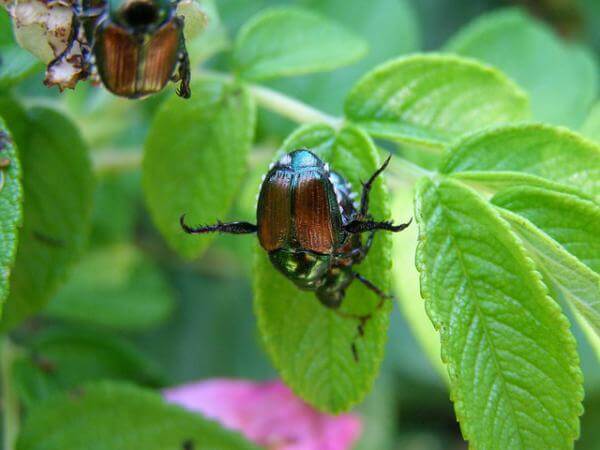
Japanese beetles are small beetles that are typically a metallic green and blue color, with a cooper orange back. They can resemble other beetles, but an easy identifier for a Japanese beetle is the presence of two rear white tufts and five white tufts located on its side.  While they might look pretty, they can do a lot of damage to your lawn as they feed on plants in groups.

They especially are attracted to pollinating flowers and plants and because they work in groups, can demolish leaves, as they eat around the veins of the leaves, stripping them down and rendering them useless. You will notice this when your leaves begin to have holes in them, or disappear leaving only their veins. You can help to avoid this issue by working with your tree and landscaping company on properly fertilizing the ground and treating the area with insecticides.

White Grubs

Japanese beetles start off as white grubs in the ground. It is considered that an infestation of seven to fifteen grubs per square feet can cause significant damage to the surrounding plant life. In the grub stage, the pest feeds upon the roots of plants in their feeding area. One way to identify if there might be an infestation of Japanese beetle grubs is by identifying the areas of your lawn that show signs of browning or patches of grass that have died.

Usually the beatles will lay eggs in early summer at which point the larval stage of the beetle will emerge after approximately two weeks. While the larva feed on the finer roots, the emerging grub stage is where they attack the more robust parts of the root system. They hibernate during the winter, and will emerge as adults four to six weeks after the beginning of spring. Most of its life is spent in the larval stage, but the 30-45 days it spends as an adult can cause an extreme amount of damage to your landscape.

After they are born, they usually do a lot of their damage in early fall, so it is important to keep an eye on warning signs such as brown or dying grass. You will want to eliminate this problem before winter, otherwise you will have a larger issue on your hands come next spring.

Care Tips

As we move closer and closer to the summer months, it is important to properly care for your lawn before any pests may have a chance to lay eggs or further damage your property.

If you are using pheromone traps to try to control your Japanese beetle population, you may be causing more damage than you realize. Traps have been researched and the findings conclude that the device attracts more beetles to the surrounding area rather than eradicating the pest. Other ways of reducing the population include natural repellents such as catnip, chives, tansy and garlic, but have been noted to have a limited effect on the beetle population.

If caught early enough, your landscaper could find an adequate means of getting your pest problem under control. One such way is through a biological control. A specific bacteria is known to cause milky spore disease in the larva of Japanese beetles and can be administered in standard, low density across a broad area, treatments. It’s not an immediate way of ridding your lawn of grubs, and may take several years before your landscape is completely free of eggs and larva.

Prevention

In order to truly fight against one of the most destructive pests known in the area, you need the expertise of dedicated landscapers and arborists. You can get consulted on which plants are not susceptible to the beetle, and can identify an infestation and advise on a strong course of action to rid your landscape of the pest and ensure they don’t come back.

Insecticides applied from April to mid-June can target those recently emerged grubs and get them when they are starting to feed as the days get warmer.  There are granular and liquid optionsf or the treatment of japanese beetle.  While this may seem likely to get rid of your infestation, the larva at these stage are large and difficult to kill, so adult may emerge regardless of insecticide application. Consulting with an experienced landscaper can help you set a game plan for properly combating the Japanese beetle population in your lawn, trees and plants.  While we may never be able to eradicate the insect, a program may be set up as part of an IPM (Integrated Pest Management) plan to maintain the populations below a damaging threshhold. 

When trying to combat Japanese beetles, white grubs, and preparing your landscaping for the summer, American Arbor Care has you covered. Experienced with pest control and creating beautiful landscaping, the team at American Arbor Care can ensure your landscapes health and give you a lawn you’ll be proud of! As you prepare to make your plans, check out our American Arbor Care special offers. To get started, contact us at 303-639-8584. We can assess any damage done by unwanted pests and help ensure your investment lasts for years to come!

Early Spring Grass Cutting and Rose Pruning in Denver Landscaping
americanarbor March 28, 2018

As the warmth of spring begins to spread across the region new growth begins. Plants, shrubs, and trees that have been dormant all winter are awakening with renewed life for another growing season. Plants and grasses around your home or office can help to brighten the landscape but proper care is needed, especially at such a critical time.

While tree trimming needs are typically accomplished in the fall and winter months as trees enter their dormant state, the spring requires specific attention in an effort to ensure your lawn and garden flourish over the coming months.

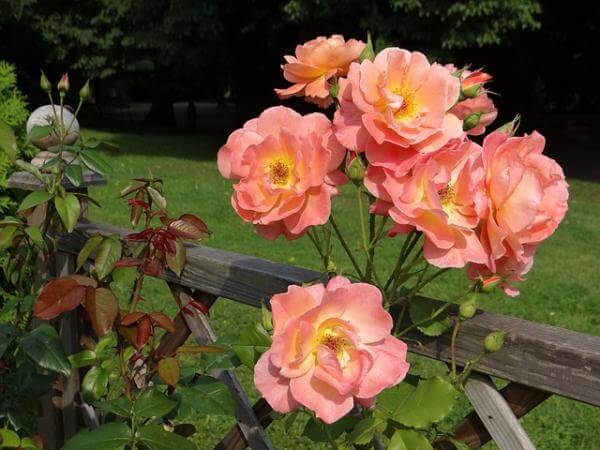
These details extend to weed control, proper watering, formulating a plan for what you wish to accomplish and also cover early grass cutting and pruning of particular plants, especially roses. These decorative plants are often the highlight of a landscape and depending on the variety, can help to establish a color scheme for a landscape or set apart one landscape from the next.

Along with roses, ornamental grasses are also an important component in greenery often used to create borders, follow paths, or outline boundaries of a particular landscape. These grasses, like most every other plant, tree, or shrub in the spring will begin to grow as the rains fall and weather warms. Needing to control their growth and monitor your desired effect of them inside a landscape, spring presents a perfect opportunity for cutting to assist in setting a tone for the upcoming season.  Oftentimes the tops of the ornamental grasses are left intact over the winter as it does provide some winter interest for the landscape.  Additionaly, the tops are left on the ornamental grass plants as it aids in the preservation and sustainability of plant’s root system over the winter months as protection mechanism.

ROSE PRUNING

There are many benefits to pruning rose bushes and also reasons for which it needs to take place. Depending on where your roses are located and how big or small you desire the plant to be can often be controlled with proper pruning.  Over the winter months roses die from the top down.  It is recommended that roses that are leggy at the branch ends, or droopy be minimally cut back to prevent breakage during heavy snow storms.  Additional pruning in the fall is not necessary or recommended.  Typically, in late March to early April the rose buds will begin to plump up is the perfect time to trim the deadwood out of roses.  If a stem is partially alive the dead tissue may be removed back to a healthy, live bud.  If rose bush as become messy and over-grown, this time of year is optimal for cutting the rose bush back to within 4-6″ of the ground.  The stored energy in the root system will result in new growth for the current season. 

While it is often touted that little damage can be done to a rose bush by improper pruning, leaving the task to professionals is the best bet to achieve your desired results. While pruning can be used to eliminate dead portions of the plant, which can be easy to spot and remove, cutting healthy areas to maintain size and promote new growth requires specific attention to detail and precision execution to achieve wanted results.

Cuts can limit the amount of blooms which occur each year and specifically if roses are pruned during the wrong growing phase it can hurt how the plant progresses as the weather warms and new growth begins. These cuts should be utilized using appropriate tools that have been recently sharpened in order to ensure no damage to the plants occurs while pruning. A dull pair of tools used for cutting could lead to ragged cuts which are not healthy and will not promote proper growth during the spring of the year. Many roses re-bloom on a six week blooming cycle.  It is important to remember to provide proper fertilization to the roses bushes throughout the season.

Other benefits of pruning include allowing more light to reach the plant in addition to improving the circulation around the rose bush. These results from proper pruning also help to ensure a healthy plant with plenty of blooms to enhance landscape appearances around your home or office.

In order to keep roses from becoming vulnerable to the harsh winters and frost conditions of Colorado, pruning should occur at a specific time. Pruning roses should normally take place two weeks prior the last hard frost for the most success. In Colorado, the final frost typically occurs around May 10 indicating that cutting should take place toward the middle or end of April.  If you would like further information on rose care please click on the link provided for the Denver Rose Society. https://denverrosesociety.org/

ORNAMENTAL GRASS CUTTING

Another component which can benefit your landscape is to also begin cutting all ornamental grasses in an effort to prepare for the growing season and spring of the year. These grasses need to be cut in a similar fashion as rose bushes for many of the same beneficial reasons.

While ornamental grasses serve multiple purposes such as creating borders or being used to add depth and feeling to a landscape, they too must be cared for regularly. These timed cuttings can also inhibit their growth, which helps to maintain a clean and well manicured landscape with multiple benefits to the home or business owner.

Examples of specific plants and shrubs which will benefit from a pre-spring cutting include each of the following adding interest to your lawn with ornamental grasses: desert plains fountain grass, Mexican feather grass, blue oat grass, prairie dropseed, pampas grass, giant reed grass, feath reed grass, and others. These need to be maintained for many of the same reasons associated with pruning roses in the spring of the year.

Ornamental grasses not only add texture to your landscape but can also be of benefit in dealing with surrounding wildlife. Deer often cause harm to many plants and grasses used to make a landscape flourish but many of the ornamental grasses used for textured purposes are resilient and lack the appeal to wildlife. For this reason, these grasses are often used and when properly maintained can create years of continuous enjoyment within a garden or particular landscape.

Final ornamental grass tips to include knowing whether the grasses planted within your landscape are warm or cool season grasses athttp://extension.colostate.edu/topic-areas/yard-garden/ornamental-grasses-7-232/ . While the maintenance of each is important and somewhat similar, the pruning periods differ for both. Typically, a third of the prior seasons growth should be cut back in order to promote new growth and keep the ornamental grasses sufficiently producing their desired component toward the overall look of your landscape.

If you’re landscape is in need of pruning and seasonal cutting then consider contacting an expert with the proven history of satisfied customers and a portfolio of completed projects (available for reference). Let the certified professional arborists at American Arbor Care assist you today. Their highly trained staff can help with any and all of your landscape needs in addition to offering tree trimming and debris removal services. The qualified experts at AAC also offer a variety of irrigation services which can be applied or installed within your lawn as needed. With spring is on the horizon, AAC is also currently offering a price special on all of their pruning services, which runs through the end of March and can help both your wallet and landscape at the same time. The experts at American Arbor Care have been proudly serving the Denver area for over 20 years and can set you up with an appointment or free estimate for pruning or any of their other excellent services. Contact us today online or call 303-639-8584 to get started right away!

Denver Tree Service Offering Winter Pruning Discount
americanarbor February 28, 2018

There is no better time than the present to have your trees and shrubs pruning needs addressed for the upcoming growing season. When trees are dormant, during the winter months, the pruning is easier and less impactful on the overall health of trees or shrubs. The Denver area landscape does have certain tree species that require pruning work be completed in the winter months, due to the risk of disease. Workers are able to easily access the trees when pruning during the winter months, and defects in a tree are readily detected.  Structure pruning will lend to the promotion of branch integrity for the future of the tree, as well as an important to start for proper development when trees are young.  Pruning during the winter months prior to flowering and leafing is ideal, prior to our spring storms that can result in storm damage, if a tree has not been properly pruned.

As the calendar continues to turn and days pass one after another, the winter weather will eventually dissipate as temperatures begin to increase. Rising soil and ambient temperatures aid trees in breaking dormancy to start the process of leaf emergence and flowering.  If you are interesting in receiving a free estimate for pruning while we are still offering our 10% winter pruning discount please contact our office (discount is valid for residential properties until March 31, 2018).

There are a variety of reasons that make winter when to trim trees and shrubs, including each of the following:

Tree Damage and Wounds

Pruning trees during the winter months has less impact on trees and shrubs than during the spring season. Pruning during flowering and leafing times can be stressful on trees and shrubs, as they are in the process of growing.  Pruning during the winter months also results in the stimulation of growth. Pruning during the winter months promotes wound compartmentalization prior to the spring, when insects and diseases are active. Further, our trained staff can easily identify dead, diseased, or broken branches when compared side-by-side with healthy, growing tissue.  Many trees in the Denver area have very obvious and prominent buds during winter months.  The dead, broken, or diseased branches pose potential fall hazards and should be removed immediately for the safety of those on the ground, as well as the overall health of the tree.  Dead branches in trees that are over 2″ in diameter are easily blown out of trees during high wind storms.

Lessen the Risk of Disease or Infestation

American Elms, ornamental, and fruting trees are recommended to have pruning operations completed during the winter (dormant) months. Please find more information below regarding the diseases the afore mentioned trees are susceptible to.  Just as humans can be susceptible to certain disease in different stages of their lives, so too are trees in their particular life cycle. By waiting until the later winter months, both risks are inherently lessened with the cooler temperatures and relative non-existence of any disease and pest infestation.

Less Sap Flowing

As the trees evolve during the seasons, when completing dormant pruning there is  sap flowing freely, because trees have less need for the uptake of water and nutrients since they are not actively growing.  Increased amounts of sap levels will not only attract insects and wildlife, but could also become a mess and difficult to clean for  homeowners dealing with such a tree. While it is not unusual for certain species of trees and shrubs to have an increased flow of sap during the spring months, it also not an optimal time for pruning.

Sight Lines are Dramatically Improved

Pruning during the winter months while the tree does not have a full canopy of leaves is actually preferred by most climbers, as it allows for better, unobstructed views.  It allows better identification of areas in need of attention and easier access for the necessary equipment and the crews.

Fire Blight

One such disease which is prevalent in ornamental and fruit trees attacking the foliage in the spring, is fire blight. This often exceptionally destructive disease can be limited with appropriate levels of pruning and maintaining a tree’s overall health. It is a very active disease for the Denver area during the spring.  Each spring season and the amount of damage varies.  Denver tree specialists best recommendations for the management of fireblight includes winter pruning to remove the diseased tissue and a spring application to aid in the prevention of the disease.

American Elm

These trees are very vulnerable to a pest infestation vectoring a disease the will result in over-all decline and eventually death if pruning is performed during the growing season. The attraction of pests like the elm bark beetle increase after pruning if the work is completed during the growing season.  However, if the pruning is performed during the dormant season, this can be avoided altogether . Any steps which can be taken to limit the possibility of a pests infestation or causing increased and unwarranted damage to the tree is always recommended.

These are just a few of the highlights to why winter a great time to prune trees. Proper pruning and the development of a care plan will provide your Denver Landscape with the most benefits, critical to the over-all health of your landscape, while also protecting the investimate you have. While these tips are only the beginning, they help to set a roadmap of future pruning expectations and can assist your trees to live full, healthy lives. All while providing the beauty, shade, and potentially foods for many years to come.

If you’re trees are in need of pruning or perhaps you wish to have a professional check the property for all the amazing advantages of executing a pruning plan, let the certified professional arborists at American Arbor Care assist you today. They can help with any and all of your tree trimming and debris removal needs, in addition to offering stump grinding and a variety of irrigation services. As the winter months continue, AAC is currently offering a price special on all of their pruning services, which runs through the end of March and can help both your wallet and landscape at the same time. The experts at American Arbor Care have been proudly serving the Denver area for over 20 years and can set you up with an appointment or free estimate for pruning or any of their other excellent services. Contact us today online or call 303-639-8584 to get started right away!

Happy Holidays from American Arbor Care!
americanarbor December 21, 2017

Happy Holidays from the team at American Arbor Care! 

We hope everyone enjoys the season, stays warm, and has a happy holiday with loved ones.

Our offices will be closed from Thursday Dec 21 through Jan 2 at 8:00AM to resume normal business hours.

Rid Your Denver Landscaping of Potential Vole and Squirrel Damage
americanarbor December 20, 2017

Landscaping needs are typically highlighted in the fall and spring of the year but winter is fast approaching and also requires a significant and specialized focus to ensure quality growth and sustainability of certain lawn care essentials. The sheer vulnerability of grasses, plants, and trees during winter creates an immediate cause for concern but other items also present a serious threat to the well-being of nature’s foliage and proper Denver landscaping.

Whether you’re concerned about the possibilities of a potential negative outlook or appearance surrounding a home, office, personal business, or potential development opportunity; special considerations must be made. When prepping for winter in your landscape, one of the more common detriments is damage caused by wildlife and in particular, voles and squirrels.

Voles

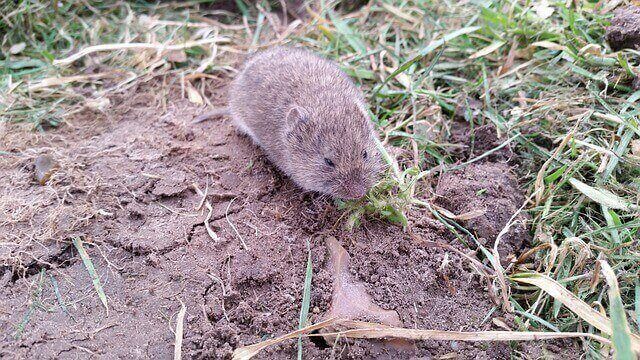
Voles are small rodents that grow from three to nine inches in length and are members of the mouse family. Often confused with moles, the two animals not only have similar sounding names but also cause damage to landscapes in almost the exact same fashion.

Moles dig underneath the surface of the ground, creating an intersecting network of tunnels throughout a yard. Plush and fertile environments and well manicured lawns are often the best source of habitation as it provides the bugs and worms moles rely on for their diet. While these tunnels are not often visible to the eye upon initial observation, the soil becomes soft and squishy from the tunneling underneath while some raised areas may be present from a recent path.

On the other hand, voles create a potentially more problematic eyesore for landowners and those wishing to maintain a picture perfect landscape. Instead of tunneling underground, voles create paths along the surface of the soil making small ditch like runways over an inhabited area. These critters are also known to gnaw on roots, shrubs and trees, eating stems and grasses causing damage not only to the yard but any surrounding foliage as well.

Winter is an especially harsh season for vole damage as the snow covered ground makes noticing the paths created by vole movement more difficult since the rodents will burrow on top of the soil but underneath all of the snow. Also, plants are more susceptible to damage, already being in a vulnerable state due to the harsh weather conditions and then can be potentially hurt more from the diet of a vole.

Vole Removal

Managing voles in Colorado is an especially specific and timely task but can pay big dividends when properly maintained and executed. Eight different species affecting the state makes the task all the more daunting and regulates the approach needed for a specific area. Proper yard maintenance and upkeep with professional Denver landscaping help can assist in ensuring your yard doesn’t become a playground for voles or in the event removal of an infestation is needed.

There are three common practices involved in vole removal and prevention but every situation is unique and should be assessed accordingly. One factor in particular, is the size of the affected area and potential number of voles causing the unsightly damage to the property.

These three means of management include: repellents, trapping, and rodenticide.

Repellents – Other than urine smells of vole predators like fox and coyotes, three more common substances can be used as a potential vole repellent. Castor oil and hot sauce are two easily accessible items but depending on the area of infestation may not provide an ideal solution.

Thiram is a manufactured substance originally used in apple and wine farming to keep deer, rabbits, and rodents from the trees and produce. Use also applies to voles and should help protect both the surface area and any plants, shrubs, or trees that could potentially be harmed by a hungry vole. All of these repellents should also keep all plants, shrubs, and trees safe without causing harm during application.

Trapping – Similar to any rodent or mouse trap, the spring loaded traps can work on voles as well. However, these are preventative typically only after damage has been observed and then noting where traps should be placed.

Rodenticide – Finally, using a pesticide to kill the voles can be potentially dangerous to other surrounding wildlife and should not be administered without professional assistance. Application and effective use must take into account the potential risks and hazards associated with using this particular method.

Squirrels and Squirrel Removal

Squirrels are also members of the rodent family but not nearly as frequently associated with the mouse. There are two main types of squirrels relative to their more natural environment. Tree squirrels and ground squirrels both are common and can cause damage to plants and shrubs in their environment.

With strength in numbers, eliminating a squirrel population is extremely difficult as no real pesticide will do the trick and essentially, trapping and moving the pests is the best option but with so many it will require an inordinate amount of daily monitoring.

Squirrel tree damage is often caused by the animal gnawing on the bark or stripping a tree of its’ outer protective layers. These pests also can cause damage to ground shrubs and in particular gardens and plant bulbs.

A more common approach to preventing squirrel damage to ground plants is using a protective barrier to enclose potential plants and shrubs. Also, ensuring steps are being taken to prevent an inviting environment for the critters will also benefit limiting their opportunity to move in on a particular area.

If you’re landscape is suffering from vole damage or you just need to have a professional check a property for other reasons, let the certified professional arborists at American Arbor Care help. They can assist with any and all of your tree trimming, and debris removal needs, in addition to offering stump grinding and irrigation services. The experts at American Arbor Care have been proudly serving the Denver area for over 20 years and can set you up with an appointment or free estimate for any of their services. Contact us today online or call 303-639-8584 to get started right away!

American Arbor Care Gives Back with Gold Crown’s Clubhouse
americanarbor December 19, 2017

Gold Crown’s Clubhouse is a free-of-charge, award-winning program model developed by the Boston Museum of Science and MIT Media Laboratory. We are part of the Clubhouse Network which has expanded to 100 Clubhouses in 19 countries.
 
 Since opening our doors in Lakewood 14 years ago, over 6000 youth have passed through them. Our Clubhouse provides a creative, safe, and free out-of-school learning environment where young people ages 10-18 work with adult mentors to explore their own ideas, develop new skills, and build confidence in themselves through the use of technology.
 
Serving thousands of youth over the years who have gained confidence, self-efficacy and STEAM skills through the Gold Crown Clubhouse, we wanted to expand our reach; Edgewater is that perfect community! Through a partnership with the City of Edgewater and Jefferson County Schools, we will open our new Gold Crown Clubhouse in Edgewater, CO January 8th 2018! Set within a 16-square block area, there are two Jefferson County elementary schools and a Jr./Sr. high school all within walking distance of the new Clubhouse. We look forward to extending our reach to youth in this community and the neighboring communities of Lakewood, Wheat Ridge and Denver. With the support of the city, community and schools, Gold Crown is transforming what was an abandoned historic church into a state of the art invention workshop!

Top Ways to Prepare your Trees, Shrubs, and Denver Landscaping for Winter
americanarbor December 13, 2017

Plants, trees, gardens, and shrubs prepare for the winter just like people do. Homeowners need to take actions and precautions now, in the fall, that will help their Denver landscaping investment last throughout the winter. With a little extra time and effort, both on your own and in conjunction with your local arborist, you will achieve this success. Learn how plants prepare for winter on their own, reasons to use anti-desiccants, and the importance of aerating your soil to ensure survival.

How Plants Prepare

Perennials last all year long, year after year, and can make it through the winter as opposed to annuals. The process begins when the days start to get shorter. How? Less sunlight plays a huge role. Plants work through the seasons and life cycles, which aides in their survival. One of the ways they do this is with proteins and the storage of sugar within their roots. This process is very similar to what anti-freeze does for vehicles. Over time, plants build up solutes to help avoid freezing and the formation of ice. When there is a breakdown in the process, the tissues become damaged and there is also desiccation. This occurs when the plants dry out.

Using Anti-Desiccants

Plants and evergreen trees that endure desiccation run the risk of dying—a situation you want to avoid. You will begin to notice there is a problem when leaves and needles become brown This is due to the lack of water. When desiccation takes over, the plant, tree, or shrub will die. Desiccation occurs when plants have roots that are frozen, making it difficult to use its internal processes to stay alive. When there is dryness in the atmosphere, the two combined can create issues with your landscaping.  This is why you must use anti-desiccants to prevent this from happening. When treating your soil with them, water retention is much better than if it were on its own. You need to treat your soil in the late fall or early winter. Make sure you complete the treatment on a sunny, mild day. Work with your local arborist who can manage this for you.

Winter preparation is one of the most important elements of maintaining a healthy, lush landscape. If you did not take the necessary steps for ensuring your plants make it through to the next season, you might need some assistance come spring. Work with the best team in Denver at American Arbor Care and learn how and when to treat your plants to be sure you have the ideal landscape next winter.

Looking for more ways to help your plants, shrubs, and trees survive the winter? Use these fall watering and winterization tips for your Denver landscaping. The best way to ensure the longevity of your investments, trust the experts at American Arbor Care. Now is the time to act before cold temperatures officially set in. Call us at 303-639-8584 to get started.

Make Your Home and Landscaping in Denver Shine for the Holidays
americanarbor December 6, 2017

The holiday season is here, which means it is time to add your outdoor decor to your landscaping in Denver. For some, the lights and decorations are minimal, while for others, it is the goal to be the most magical house on the street. No matter how you prefer to set up your yard, it is definitely time to get to work. For tips on hanging lights and ideas for porches, to highlighting walkways and driveways, use these tips to prepare for the holidays.

Hanging Lights

Your first agenda item for hanging lights and holiday decor is to create a plan. Even if you have the same lights you hang year after year, or rely on an expert for help, it is important to know the steps you will take. For a minimal and simplistic look, take a single strand of lights, either one color or multi-color, and hang them around the outlines of your home. If you prefer to maximize your lights, while working on your plan, create a list of all the areas you can hang lighting. This could be the outline of the home, as well as around chimneys, doorways, shrubs, bushes, trees, and more. Be sure to review more tips for preparing for your holiday lighting from the tree experts.

Porch Ideas

Front porch lighting is a great way to welcome guests. Add a strand of lights around your door ways and porch lights if you have them. Complement your lighting with a welcoming wreath on your door. You can purchase one from your local home goods store, or try one of these holiday wreaths on your own. Pair it with a holiday welcome mat, as well as a figurine such as a snowman or candy cane.

Walkways and Driveways

Lighting around your walkways and driveways is not only a great way to enhance your holiday decor, but provides added safety, too! With the longer nights among us, it helps to have a guide as you pull into your driveway, or walking into your home. You can add lighting by strands, or by strategically placing lights into the ground along the pathway. You can tie in holly or other decor around the lights to compete the holiday feel. Festive lighting options also exist; imagine your driveway lined with light-up candy-canes. That’s sure to get the holiday spirit going!

Hiring an Expert

Thousands of Americans injure themselves each year due to accidents while hanging holiday lights. Even the most experienced of people may not have the proper tools and resources to safely execute their holiday lighting and decor plans. By hiring a team of expert local arborists, like the team at American Arbor Care, you can place your plans in the hands of an experienced team.

To help you with your holiday lights this season, American Arbor Care has you covered. We will hang your lights and assist with decor to help you have the best house on the block. This will help keep you safe and give you more time for your other holiday activities. Call us today at 303-639-8584 to see how we can help you.

Winter Care Tips for Young Trees from an Experienced Tree Service in Denver
americanarbor November 15, 2017

Do you have young trees that you planted this year, and are looking to ensure their survival this winter? By taking a few precautionary measures, your young trees will continue to grow and make it through the cold months. However, it is imperative you take on these measures in this first year they have been planted. Learn about the preparation tasks you will need to do this fall, why you need to wrap your young trees, and the importance of watering properly and providing young trees with the essential nutrients they need.

Tips for Preparation in the Fall

One of the first agenda items for your young trees is to mulch. Remove all existing mulch, as well as debris in the area. Next, ensure your mulch is of an organic source that will provide your tree with nutrients. This can include compost, pine needles, bark mulch, straw, or wood chips. You can talk to the experienced staff at American Arbor Care to find the solution best for your young tree. Two to four inches of mulch is needed, and it’s important to leave the circumference around the base open. If your tree has any small or dying branches, prune them, as ice and snow can weigh them down, causing them to break. Last, rake any leaves that have fallen and keep the area clear. Review the Colorado State University Extension’s care of recently planted trees for more care tips.

Wrapping

Winters are tough for plants and trees, especially to young, newly planted trees. Sun scalding can take place when the winter sun heats up the tree, but then later when there is cloud cover, a large temperature drop occurs. This can kill parts of the tree, making it difficult to survive the winter. The best way to avoid this is to wrap the trunk of your young trees. Wrapping them will keep them at a consistent temperature and reflect the sunlight. You should wrap the base of the tree in late fall before the winter temperatures set in. Do this for at least a couple years until the tree matures. You can work with our arborists to find the best material to wrap your young trees.

Watering and Nutrients

Ensuring your young trees have plenty of water before winter is key. If you are unsure of how much water your tree needs, monitor the soil to see if it is too damp, dry, or just right. Over or under watering can be detrimental. Generally a good rule of thumb is to slowly soak the roots to a depth of about 12 inches – a good ratop to remember is to use 5-10 gallons per diameter inch of the tree’s trunk. Next, make sure you fertilize the tree to help strengthen its roots. Apply the fertilizer into the soil and aerate the area by perforating the soil to allow air to flow throughout. Starting your deep root fertilization for landscaping in Denver will help keep your young trees healthy in the winter.

To help you ensure the health of your young trees this winter, American Arbor Care has a team of expert arborists to help. We will assess your situation and provide you with the materials needed. Call us today at 303-639-8584 to get started.

When was the last time you had a landscape assessment with a Certified Arborist?

Schedule your free assessment today!